

If you’re looking for a dessert that perfectly blends tangy brightness with airy sweetness, this Orange Meringue Pie Recipe is an absolute winner. The crisp, buttery crust cradles a luscious orange custard bursting with fresh citrus flavors, all topped with a cloud of golden, pillowy meringue that simply melts in your mouth. It’s an irresistible treat that feels both elegant and comforting—ideal for impressing guests or indulging in a slice anytime you crave a refreshing and sweet citrus delight.
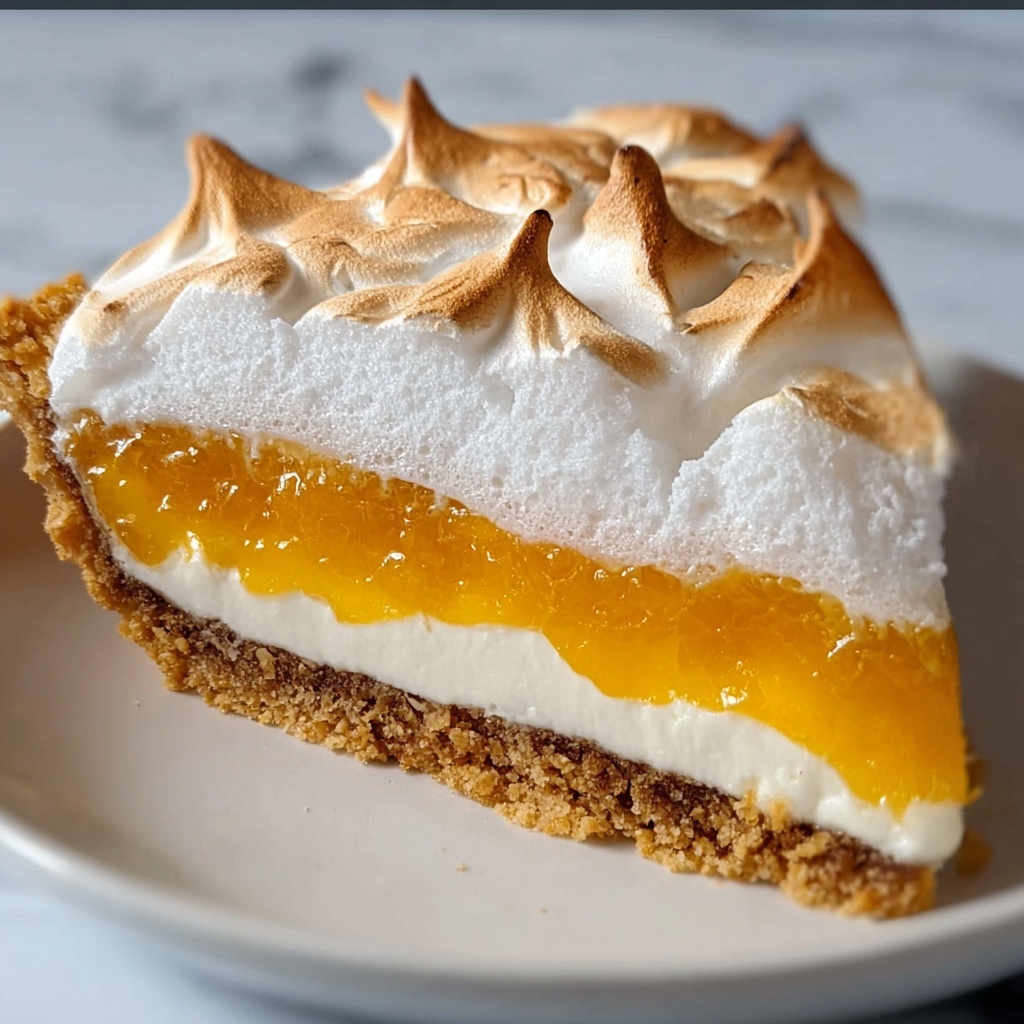
Ingredients You’ll Need
Every ingredient in this Orange Meringue Pie Recipe plays a crucial role in creating the perfect balance of flavors and textures. From the bright citrus notes to the silky filling and fluffy topping, these simple staples come together to make magic happen in your kitchen.
- 9-inch pre-baked pie crust: The buttery foundation that holds all the luscious filling and meringue together.
- Granulated sugar: Adds the essential sweetness, both in the filling and the meringue topping.
- Cornstarch: Thickens the orange filling to a smooth, luscious consistency.
- Salt: Enhances all the flavors and balances the sweetness.
- Fresh orange juice: The star ingredient providing vibrant, natural citrus flavor.
- Orange zest: Adds an extra punch of fragrant orange aroma and depth.
- Lemon juice: Brings a subtle brightness and tang that lifts the filling.
- Egg yolks: Richen and thicken the filling for that creamy texture.
- Unsalted butter: Smooths the filling for an indulgent mouthfeel.
- Vanilla extract: Offers a warm undertone that complements the citrus perfectly.
- Egg whites: Whipped to fluffy perfection for the light and airy meringue topping.
- Cream of tartar: Stabilizes the egg whites ensuring a glossy and stiff meringue.
How to Make Orange Meringue Pie Recipe
Step 1: Preheat and Prepare
Start by heating your oven to 350°F (175°C). It’s important to have the oven ready so you can bake the pie at just the right moment for that perfect golden meringue.
Step 2: Create the Orange Filling Base
In a sturdy saucepan, whisk together sugar, cornstarch, and salt; then gradually mix in fresh orange juice, orange zest, and lemon juice. Cook this mixture over medium heat, whisking constantly so it thickens evenly and becomes bubbling hot. This process builds the vibrant, silky base of your pie.
Step 3: Temper the Egg Yolks
Lightly beat the egg yolks in a separate bowl, then slowly add a small amount of the hot orange mixture to them. This step, called tempering, prevents the yolks from scrambling and ensures a smooth custard. Once combined, whisk the yolk mixture back into the saucepan with the orange filling.
Step 4: Finish the Filling
Continue cooking the mixture over medium-low heat, stirring constantly for 2 to 3 more minutes until it thickens to a glossy, custard-like texture. Remove from heat before stirring in the butter and vanilla extract, which add richness and aroma.
Step 5: Fill the Pie Crust
Pour your luscious orange filling into the pre-baked pie crust, smoothing it out evenly. This is the moment your pie really starts to take shape, promising a citrusy delight.
Step 6: Whip Up the Meringue
In a clean bowl, beat the egg whites with cream of tartar on medium-high using an electric mixer until soft peaks form. Add the sugar gradually, one tablespoon at a time, beating until you achieve stiff, glossy peaks—this meringue will be the fluffy cloud topping your pie deserves.
Step 7: Top and Seal
Spoon or pipe the meringue over the hot orange filling. Make sure to spread it all the way to the edges to seal the pie and prevent the meringue from shrinking during baking. There’s something so satisfying about this step as you watch the pie transform into a showstopper!
Step 8: Bake and Chill
Bake the pie at 350°F for 10 to 12 minutes until the meringue turns a beautiful golden brown. Once out of the oven, allow it to cool completely at room temperature before chilling it in the fridge for at least 2 hours. This cooling time helps the filling set perfectly and intensifies those orange flavors.
How to Serve Orange Meringue Pie Recipe

Garnishes
A sprinkle of fresh orange zest or a delicate twist of candied orange peel can add a burst of color and elevate the citrus aroma beautifully. If you’re feeling fancy, a light dusting of powdered sugar brings a gentle sweetness and a charming finish.
Side Dishes
This pie pairs wonderfully with a scoop of vanilla bean ice cream or a dollop of lightly whipped cream. For something a little different, serve alongside a fresh berry salad to add contrasting tartness and a splash of vibrant color.
Creative Ways to Present
Try serving individual portions in mini tart shells for an adorable twist, perfect for parties or afternoon tea. Alternatively, pipe the meringue with a star tip for a gorgeous, textured top, making every slice feel like a special occasion.
Make Ahead and Storage
Storing Leftovers
Once baked and chilled, cover the pie tightly with plastic wrap or store in an airtight container in the fridge. It will stay fresh and delicious for up to 3 days, giving you plenty of time to savor leftovers.
Freezing
While freezing the entire pie can affect the meringue’s texture, you can freeze the pre-baked crust or the orange filling separately. Thaw fully before assembling and baking the meringue topping for best results.
Reheating
Reheating the pie is not typically recommended as it may deflate the meringue and alter the filling texture. Instead, enjoy it chilled or at room temperature for that perfect balance of flavors and textures.
FAQs
Can I use bottled orange juice instead of fresh?
While fresh orange juice delivers the brightest and most vibrant flavor, bottled juice can be used in a pinch. Just make sure to choose a high-quality, pulp-free orange juice for the smoothest finish.
What can I do if my meringue starts to weep?
Weeping happens when the meringue releases moisture and is often due to under-beaten whites or failure to seal the meringue edges properly. Make sure to whip the egg whites to stiff peaks and spread the meringue to the edge of the crust to prevent this.
Can I make this pie dairy-free?
Yes! Simply substitute the unsalted butter with a plant-based butter alternative. Just be sure it’s a variety that behaves similarly in baking for the best texture.
Why is it important to temper the yolks?
Tempering gradually raises the temperature of the egg yolks so they don’t scramble when mixed with the hot filling. This step ensures a silky custard rather than lumpy eggs in your pie.
How do I keep the meringue from shrinking after baking?
Press the meringue firmly onto the hot filling and seal it around the edges of the crust before baking. This creates a barrier that minimizes shrinking and helps the meringue stay perfectly fluffy and attached.
Final Thoughts
This Orange Meringue Pie Recipe is a delightful treasure that combines bright citrus flavors with a pillow-soft meringue topping. It’s a guaranteed crowd-pleaser and a lovely way to celebrate seasonal oranges or simply brighten up any day. Give it a try—you’ll soon find it becoming your go-to dessert for sharing smiles and sweet moments!
Print
Orange Meringue Pie Recipe
- Prep Time: 20 minutes
- Cook Time: 25 minutes
- Total Time: 45 minutes plus 2 hours chilling
- Yield: 8 servings (8 slices)
- Category: Dessert
- Method: Baking
- Cuisine: American
- Diet: Vegetarian
Description
This Orange Meringue Pie features a tangy, freshly squeezed orange filling topped with a light, fluffy meringue. The pre-baked pie crust holds a smooth citrus custard brightened with lemon juice and orange zest, then finished under a golden-brown cloud of sweet meringue. Perfectly balanced with sweet and tart flavors, it’s a delightful dessert ideal for citrus lovers and impressive at any gathering.
Ingredients
Pie Crust
- 1 (9-inch) pie crust, pre-baked
Filling
- 3/4 cup granulated sugar
- 1/4 cup cornstarch
- 1/4 teaspoon salt
- 1 1/2 cups fresh orange juice (from about 4 oranges)
- 1 tablespoon orange zest
- 1 tablespoon lemon juice
- 4 large egg yolks (reserve whites for meringue)
- 2 tablespoons unsalted butter
- 1 teaspoon vanilla extract
Meringue
- 4 large egg whites
- 1/4 teaspoon cream of tartar
- 6 tablespoons granulated sugar
Instructions
- Preheat the oven. Preheat your oven to 350°F (175°C) to prepare for baking the meringue topping later.
- Prepare the filling base. In a saucepan, whisk together 3/4 cup sugar, cornstarch, and salt to combine the dry ingredients evenly. Gradually stir in fresh orange juice, orange zest, and lemon juice. Cook this mixture over medium heat, whisking constantly until it thickens and begins to bubble.
- Temper the egg yolks. Lightly beat the 4 egg yolks in a separate bowl. Slowly whisk in a small amount of the hot orange mixture into the yolks to temper them, preventing them from scrambling. Then gradually whisk the yolk mixture back into the saucepan.
- Finish cooking the filling. Continue cooking over medium-low heat for 2–3 minutes, stirring constantly until the filling becomes thick and glossy. Remove from heat and stir in unsalted butter and vanilla extract for richness and flavor.
- Assemble the pie. Pour the warm orange filling into the pre-baked pie crust, smoothing the surface evenly with a spatula.
- Make the meringue. In a clean mixing bowl, beat the 4 egg whites and cream of tartar on medium-high speed until soft peaks form. Gradually add the 6 tablespoons sugar one tablespoon at a time, beating continuously until stiff and glossy peaks form.
- Top the pie with meringue. Spoon or pipe the meringue over the hot orange filling, carefully sealing the meringue to the edges of the crust to prevent shrinking during baking.
- Bake and chill. Bake the assembled pie in the preheated oven for 10–12 minutes or until the meringue topping is golden brown. Let the pie cool completely at room temperature, then chill in the refrigerator for at least 2 hours before serving to allow the filling to set well.
Notes
- Use freshly squeezed orange juice and zest for the best flavor.
- Make sure the pie crust is fully pre-baked to avoid a soggy bottom.
- Tempering the egg yolks is crucial to prevent them from curdling.
- Seal the meringue edges to the crust to reduce shrinkage during baking.
- Allow chilling time for the pie to firm up for clean slices.