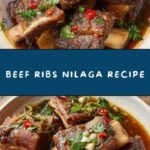
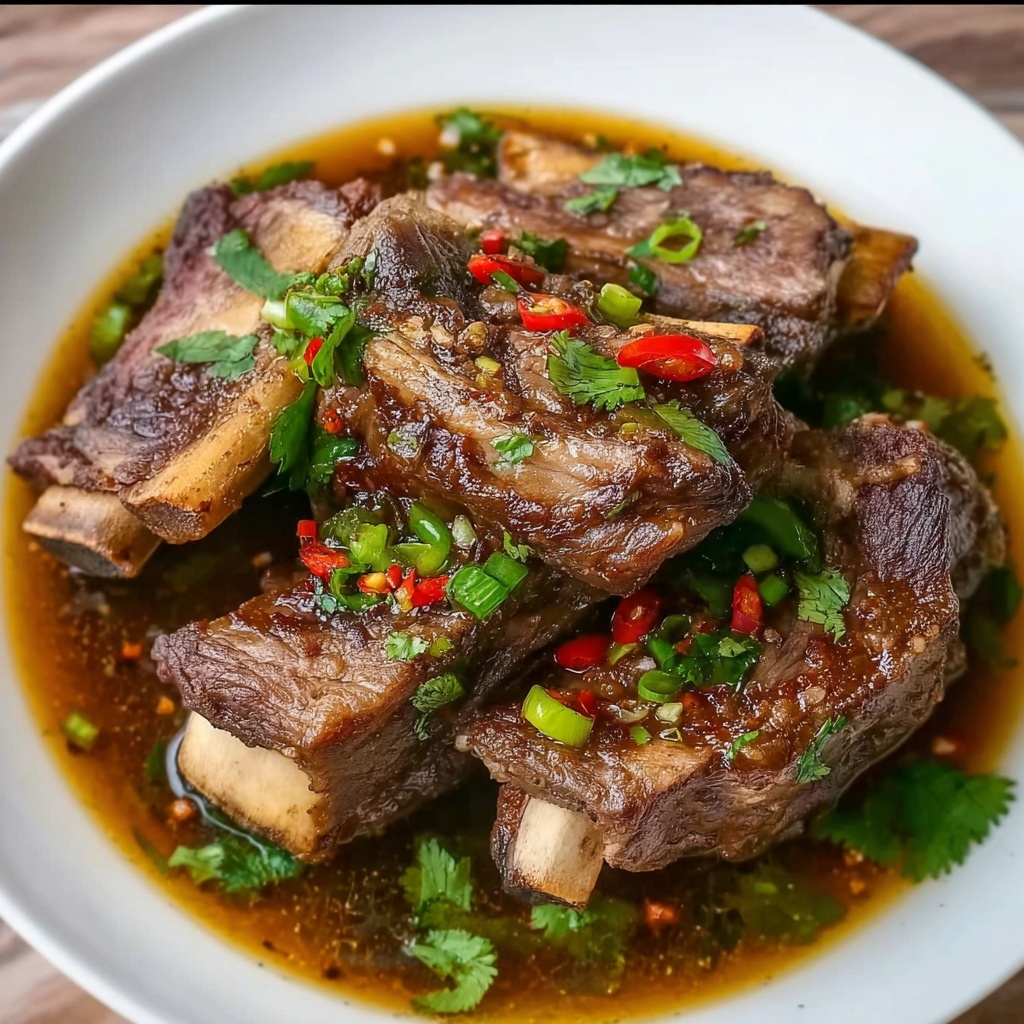
If you’re craving a soul-warming, hearty soup that’s packed with rich, comforting flavors, then this Beef Ribs Nilaga Recipe is just what you need. It’s a classic Filipino boiled beef dish featuring tender beef ribs simmered low and slow with simple ingredients that come together to create a broth full of depth and subtle savory notes. This dish not only delivers satisfying meatiness and veggies but also brings a nostalgic feeling of home with every spoonful. Whether you’re new to Filipino cuisine or a longtime fan, this recipe is a true showcase of how uncomplicated cooking can produce incredible results.
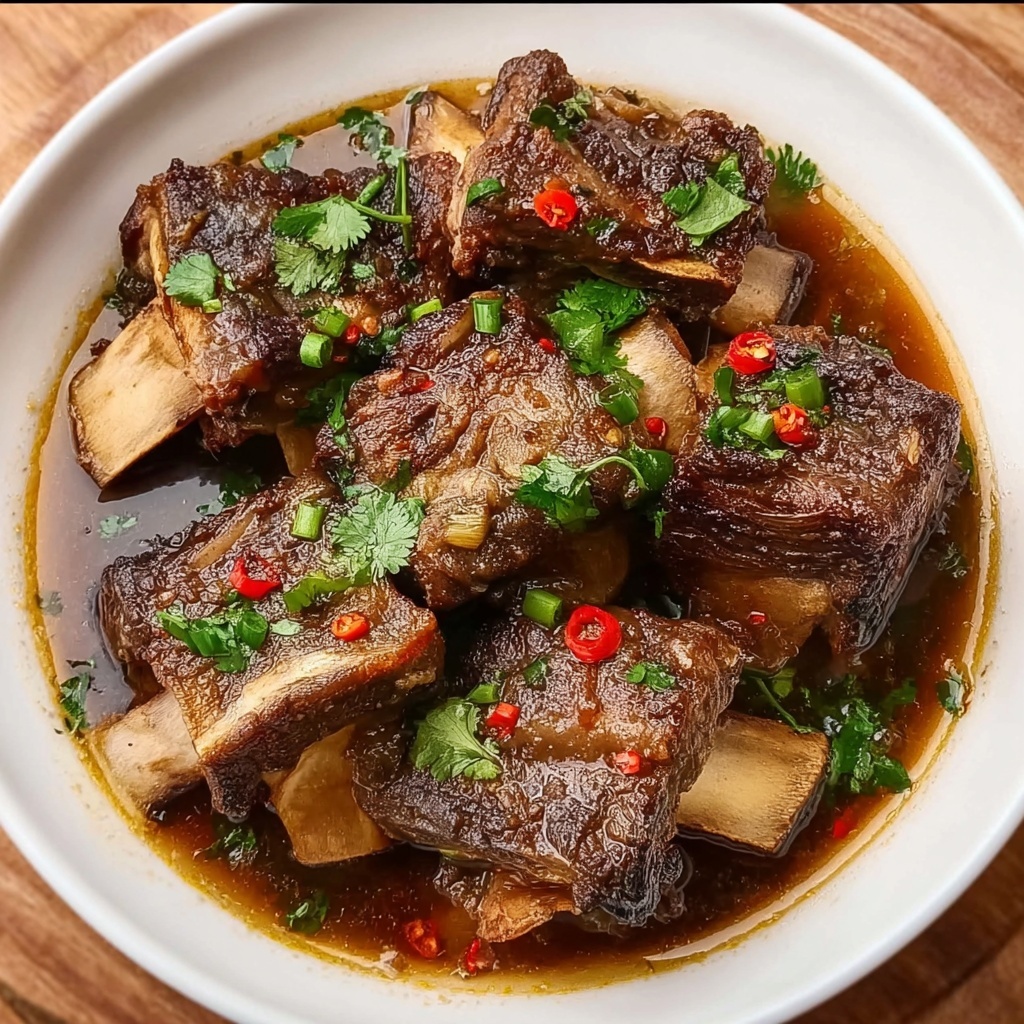
Ingredients You’ll Need
The beauty of this Beef Ribs Nilaga Recipe lies in its straightforward ingredients, each chosen to build layers of flavor while keeping the preparation easy and comforting. Every element plays its part—beef ribs provide hearty richness, aromatic onion and peppercorn give fragrance, and the potatoes and cabbage add tender sweetness and texture to the broth.
- Beef ribs: Choose meaty ribs with some bone for that perfect balance of richness and gelatinous broth.
- Water: The base for your broth, essential for slow simmering the meat to tenderness.
- Beef broth cubes: These deepen the beef flavor, making your soup more savory and robust.
- Large onion, peeled and quartered: Adds natural sweetness and a subtle aromatic foundation.
- Peppercorns: Whole peppercorns gently infuse the broth with a mild peppery warmth without overpowering.
- Fish sauce (patis): A hallmark of Filipino cooking, it lends umami and saltiness that brighten up the dish.
- Potatoes, peeled and quartered: These give the soup a lovely heartiness and absorb the flavorful broth.
- Small cabbage, cut into wedges: Adds a fresh, slightly crisp texture and delicate sweetness at the end.
- Salt: To taste, ensuring your broth is perfectly seasoned.
- Green onions, sliced: For a fresh, vibrant garnish that adds color and a gentle oniony bite.
How to Make Beef Ribs Nilaga Recipe
Step 1: Preparing the Beef Ribs
Start by placing the beef ribs in a pot and adding enough water to fully cover them. Bring the water to a gentle boil; as it heats up, skim off any scum that rises to the surface. This step helps keep your broth clear and clean-tasting by removing impurities.
Step 2: Simmering with Aromatics
Once the water is boiling and skimmed, lower the heat to a gentle simmer and add the quartered onion and whole peppercorns. Let this simmer gently for 45 minutes to 1 hour until the meat becomes tender and starts falling off the bone. This slow simmering is key for tenderizing the ribs and allowing the flavors to meld beautifully.
Step 3: Enhancing the Broth
Next, add the beef broth cubes directly into the pot, stirring until fully dissolved. These cubes will enrich the broth’s depth, making every spoonful taste more complex and satisfying without any fuss.
Step 4: Adding Potatoes
Now it’s time for the potatoes. Add the peeled and quartered potatoes to the simmering broth and let them cook for about 5 minutes. Potatoes not only soak up the delicious broth but also add a gentle creaminess once tender.
Step 5: Incorporating the Cabbage
Follow up by adding the cabbage wedges. Simmer them for an additional 4 minutes until just tender but still a bit crisp. The cabbage introduces a fresh element that balances the richness of the beef ribs and broth.
Step 6: Seasoning the Soup
Season the dish by adding fish sauce (patis) and salt to taste. Fish sauce lends a distinctive umami punch that makes this Beef Ribs Nilaga Recipe authentically Filipino. Don’t rush this step—taste as you go to achieve that perfect balance of savory goodness.
Step 7: Final Touches and Serving
Turn off the heat and sprinkle sliced green onions over the top for a burst of color and mild onion flavor. The green onions brighten up the stew visually and add a fresh, subtle bite.
How to Serve Beef Ribs Nilaga Recipe
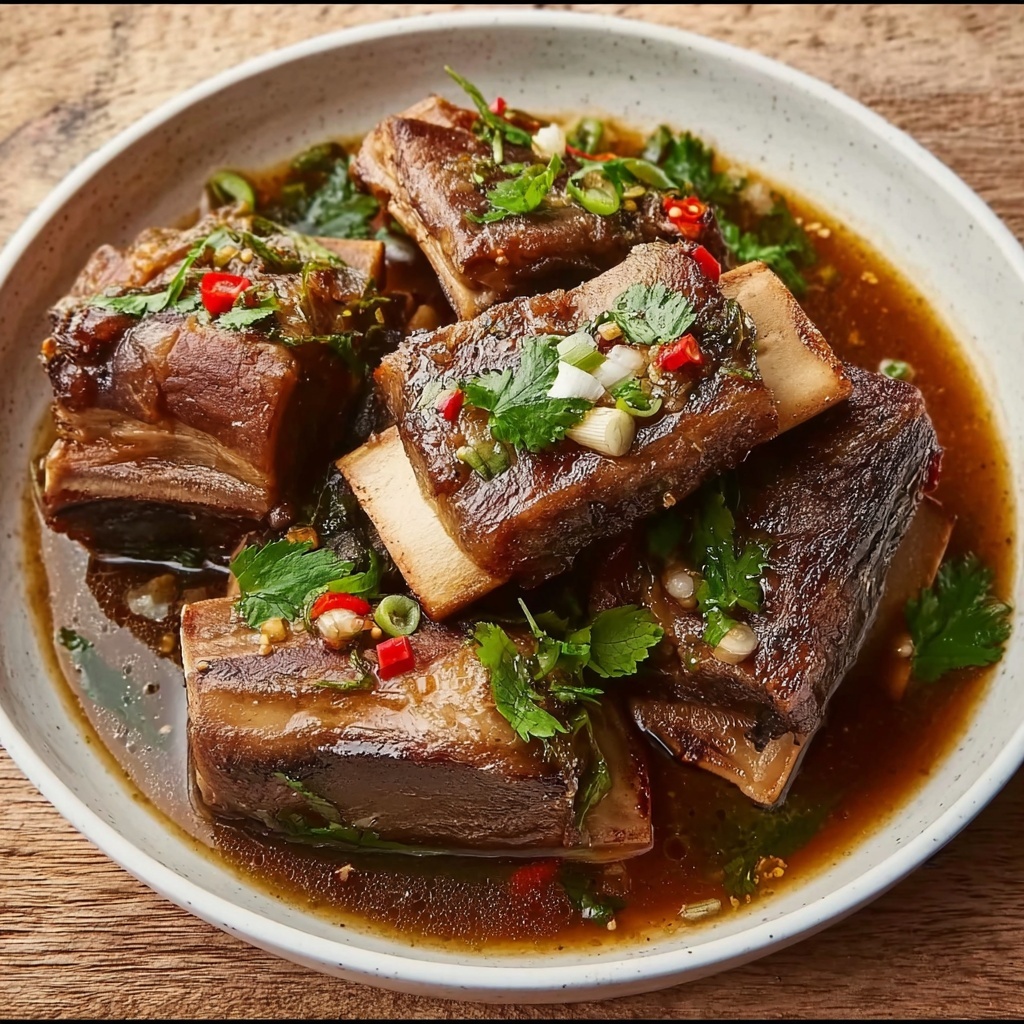
Garnishes
Aside from the green onions, you can add a sprinkle of freshly ground black pepper or even some fried garlic chips for extra texture and aroma. A small bowl of patis combined with calamansi slices on the side is a classic dipping sauce that complements the beef beautifully.
Side Dishes
This dish pairs wonderfully with steamed white rice, which soaks up the flavorful broth perfectly. You could also serve it alongside some pickled vegetables or fresh tomatoes for a touch of tang and freshness to contrast the hearty soup.
Creative Ways to Present
For a fun twist, serve the Beef Ribs Nilaga Recipe in individual bowls with a generous scoop of rice on the side and a wedge of calamansi to squeeze over the broth. You can also use a clear glass bowl to showcase the vibrant colors of the cabbage, potatoes, and tender beef ribs for an inviting presentation.
Make Ahead and Storage
Storing Leftovers
You can store leftover Beef Ribs Nilaga Recipe in an airtight container in the refrigerator for up to 3 days. The flavors will continue to develop, making it an excellent choice for quick meals afterward.
Freezing
If you want to keep this comforting dish longer, it freezes well. Transfer cooled leftovers into freezer-safe containers or heavy-duty freezer bags, and store for up to 2 months. When ready to eat, thaw overnight in the fridge.
Reheating
Reheat gently on the stovetop over medium-low heat to preserve the tenderness of the beef ribs and prevent the vegetables from overcooking. Add a splash of water if the broth has thickened too much during storage.
FAQs
Can I substitute beef ribs with another cut of beef?
Yes, you can use beef shanks or brisket if ribs are not available. Just adjust cooking time as needed to ensure the meat becomes tender but not falling apart.
Is there a vegetarian version of nilaga?
Traditional nilaga is meat-based, but you can create a vegetarian version using hearty vegetables like squash, corn, mushrooms, and tofu for protein, simmered in vegetable broth.
Why do I need to remove the scum when boiling the beef?
Removing the scum helps keep the broth clear and free from impurities, giving it a cleaner taste and more appealing appearance.
Can I use homemade beef broth instead of beef broth cubes?
Absolutely! Homemade beef broth adds extra depth and freshness to your nilaga, though beef broth cubes are a convenient alternative if you’re short on time.
What can I substitute for fish sauce if I don’t have it?
You can use soy sauce as a substitute, though fish sauce has a unique umami profile. Start with a smaller amount of soy sauce and adjust to taste.
Final Thoughts
This Beef Ribs Nilaga Recipe is one of those dishes that feels like a warm, comforting hug in a bowl. It’s wonderfully simple yet deeply satisfying, a perfect example of how a few humble ingredients can come together to create a dish that’s both hearty and nourishing. Whether you’re cooking for your family or looking to try a new traditional Filipino recipe, this nilaga will quickly become a favorite you return to again and again. Trust me, once you make it, you’ll understand why it holds a special place at the Filipino dinner table!
Print
Beef Ribs Nilaga Recipe
- Prep Time: 10 minutes
- Cook Time: 1 hour 15 minutes
- Total Time: 1 hour 25 minutes
- Yield: 4 servings
- Category: Soup
- Method: Stovetop
- Cuisine: Filipino
Description
Beef Ribs Nilaga is a comforting Filipino boiled beef soup featuring tender beef ribs simmered with aromatic onions and peppercorns, complemented by hearty potatoes and fresh cabbage. This traditional dish is seasoned with fish sauce and served garnished with green onions, perfect for a fulfilling family meal.
Ingredients
Beef and Broth
- 2 pounds beef ribs
- 8 cups water
- 2 beef broth cubes
- 1 large onion, peeled and quartered
- 1 teaspoon peppercorns
Vegetables
- 2 medium potatoes, peeled and quartered
- 1 small cabbage, cut into wedges
Seasoning and Garnish
- 2 tablespoons fish sauce (patis)
- Salt to taste
- Green onions, sliced (for garnish)
Instructions
- Prepare the beef ribs: Place the beef ribs in a large pot and add enough water to fully cover the ribs. Bring the water to a boil, and as it starts boiling, skim off any scum or foam that forms on the surface to ensure a clear broth.
- Simmer with aromatics: Reduce the heat to low and add the peeled and quartered onion along with the peppercorns to the pot. Let it simmer gently for 45 minutes to 1 hour, or until the beef ribs become tender and flavorful.
- Add broth cubes: Stir in the beef broth cubes until fully dissolved to enhance the depth of flavor in the soup.
- Cook the potatoes: Add the peeled and quartered potatoes to the simmering broth. Allow them to cook for about 5 minutes until they start to become tender but not mushy.
- Add cabbage: Incorporate the cabbage wedges into the pot and continue simmering for another 4 minutes until the cabbage is soft yet still vibrant.
- Season the soup: Pour in the fish sauce (patis) and add salt to taste. Adjust the seasoning according to your preference for a balanced savory flavor.
- Finish and garnish: Turn off the heat and garnish the nilaga with sliced green onions for a fresh and mild onion flavor.
- Serve: Ladle the Beef Ribs Nilaga into bowls and serve hot alongside steamed rice and a patis-calamansi dipping sauce for an authentic Filipino dining experience.
Notes
- Skimming the scum during boiling results in a clearer and cleaner broth.
- Beef broth cubes add richness but can be omitted if using homemade stock.
- Adjust fish sauce and salt carefully to avoid over-salting.
- You can substitute beef ribs with other beef cuts suitable for boiling like shank or brisket.
- Serve immediately for best flavor; leftovers can be refrigerated for up to 2 days.