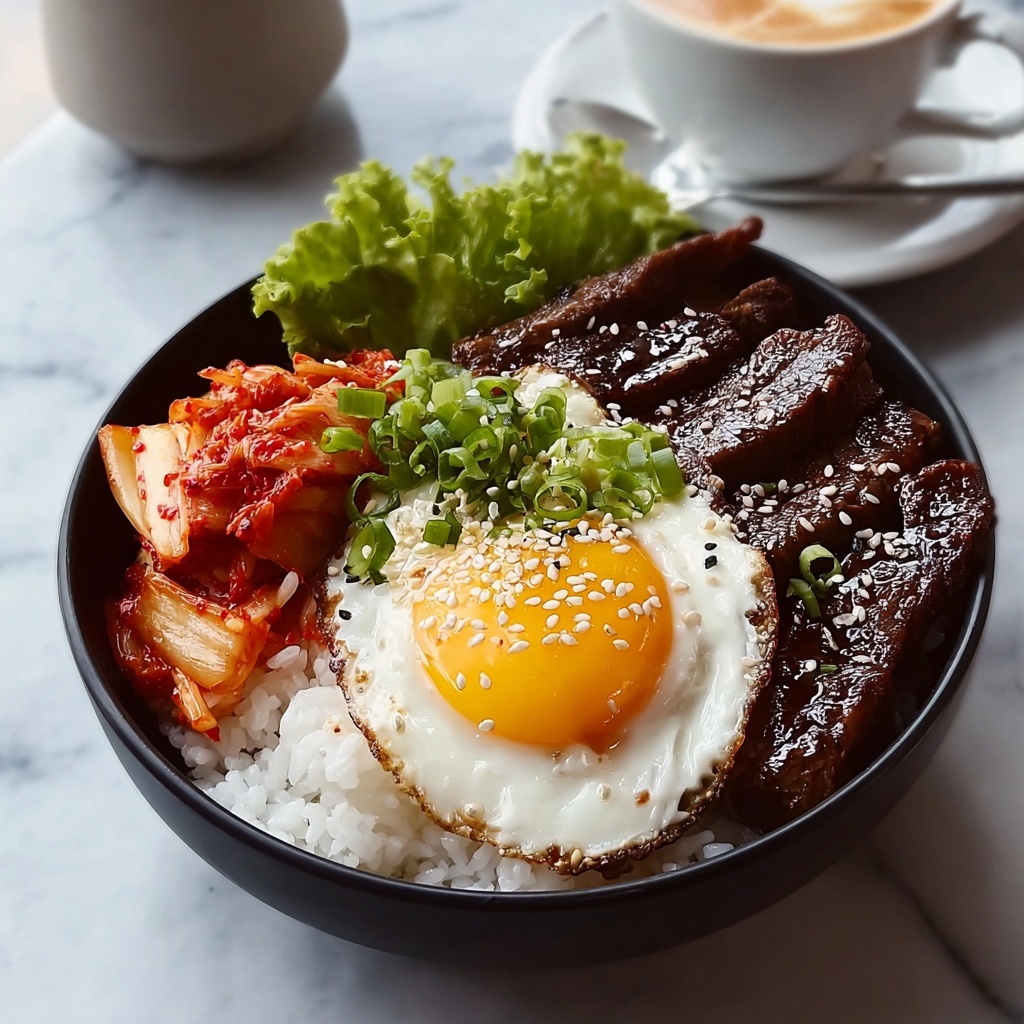
If you have ever wanted to dive into the vibrant world of Korean cuisine, this Korean Beef Bulgogi Recipe is an absolute must-try. This dish perfectly balances sweet, savory, and slightly spicy flavors while boasting tender, juicy slices of beef that melt in your mouth. With a marinade crafted from soy sauce, garlic, ginger, and even a hint of fresh Asian pear, this bulgogi delivers a depth of flavor that feels both comforting and exciting. Whether you’re new to Korean food or looking for a dependable home-cooked favorite, this recipe will quickly become your go-to for a delicious and satisfying meal.
Ingredients You’ll Need
The beauty of this dish lies in its simple yet essential ingredients. Each component plays a vital role: the thinly sliced beef provides the perfect texture, the marinade melds unforgettable umami and sweetness, and the fresh vegetables add crunch and color. Here’s exactly what you’ll want to gather before you begin.
- 1.5 lbs ribeye or sirloin steak, thinly sliced against the grain: This cut ensures tender, juicy pieces that soak up the marinade beautifully.
- 6 tbsp soy sauce: The salty backbone of the marinade that enhances every bite.
- 3 tbsp brown sugar: Adds a subtle sweetness and helps caramelize the beef during cooking.
- 2 tbsp sesame oil: Imparts a rich, nutty aroma that’s signature to Korean cooking.
- 4 cloves garlic, minced: Brings a fragrant punch that wakes up the flavors.
- 1 tbsp fresh ginger, grated: Adds warmth and brightness to balance the richness.
- 1/2 Asian pear or red apple, grated: A secret ingredient that tenderizes the meat with natural enzymes and lends a mild fruity sweetness.
- 2 tbsp mirin (optional): Introduces a gentle tang and depth, but feel free to skip if you don’t have it.
- 1 tbsp gochujang (optional, for spice): Gives that extra kick of Korean heat if you want to spice things up.
- 1/4 tsp black pepper: Grounds the marinade with a touch of subtle heat.
- 2 tbsp finely chopped green onions: Fresh bursts of flavor mixed right into the marinade.
- 1 tsp toasted sesame seeds: Adds a delicate crunch and toasty notes.
- 1 tbsp neutral oil (for cooking): Perfect for searing the beef without overpowering the marinade flavors.
- 1 small onion, thinly sliced: Sweetness and texture addition for sautéing alongside the beef.
- 1 carrot, julienned: Brings color and a subtle crispness.
- 1 cup mushrooms (shiitake or white button), sliced: Earthy and meaty, these soak up the pan flavors wonderfully.
- 2 tbsp honey butter (1 tbsp melted butter + 1 tbsp honey, mixed): A luscious glaze that makes the beef shiny and slightly sweet.
- Cooked rice, for serving: The perfect neutral base to soak up all those amazing flavors.
- Lettuce leaves or perilla leaves, for wrapping: Adds freshness and a fun way to enjoy the bulgogi Korean-style.
- Extra sesame seeds and sliced green onions, for garnish: Finishing touches that make every bite feel special.
How to Make Korean Beef Bulgogi Recipe
Step 1: Prepare the Beef
Start by firming up the beef in the freezer for about 30 minutes. This makes slicing much easier, allowing you to cut thin, tender strips against the grain—the technique ensures every bite is soft and luscious. A sharp knife is your best friend here for clean, delicate slices.
Step 2: Make the Marinade
In a large bowl, whisk together soy sauce, brown sugar, sesame oil, garlic, ginger, grated Asian pear (or apple), mirin if you’re using it, optional gochujang for some heat, and black pepper. Stir in green onions and toasted sesame seeds to infuse the mixture with great aroma and taste. This marinade is the heart of the Korean Beef Bulgogi Recipe, marrying sweet, savory, and nutty elements into one superb sauce.
Step 3: Marinate the Beef
Add your thinly sliced beef to the marinade, making sure every piece is thoroughly coated. Cover and refrigerate for at least one hour; overnight marinating is even better if you have the time, because it deepens the flavor and tenderizes the meat beautifully.
Step 4: Prepare the Vegetables
While the beef marinates, slice your onion thinly, julienne the carrot into matchstick-like strips, and slice the mushrooms. These fresh veggies are essential—they bring color, texture, and a hint of sweetness that complement the rich beef perfectly.
Step 5: Cook the Bulgogi
Heat a grill pan or a cast iron skillet over medium-high heat and add neutral oil. Cook the marinated beef in batches so you get a nice caramelization without overcrowding. Each side should cook for about 2 to 3 minutes until beautifully browned. Just before removing the beef, drizzle the honey butter over the pan and toss quickly—this step gives the beef a gorgeous glaze with a delightful sweet-savory dimension.
Step 6: Sauté the Vegetables
Using the same pan (no need to clean it!), add the onions, carrots, and mushrooms. Sauté for 3 to 4 minutes until they’re softened and lightly caramelized, soaking up any leftover beef juices and marinade. These vegetables round out the Korean Beef Bulgogi Recipe with added depth and flavor.
Step 7: Serve
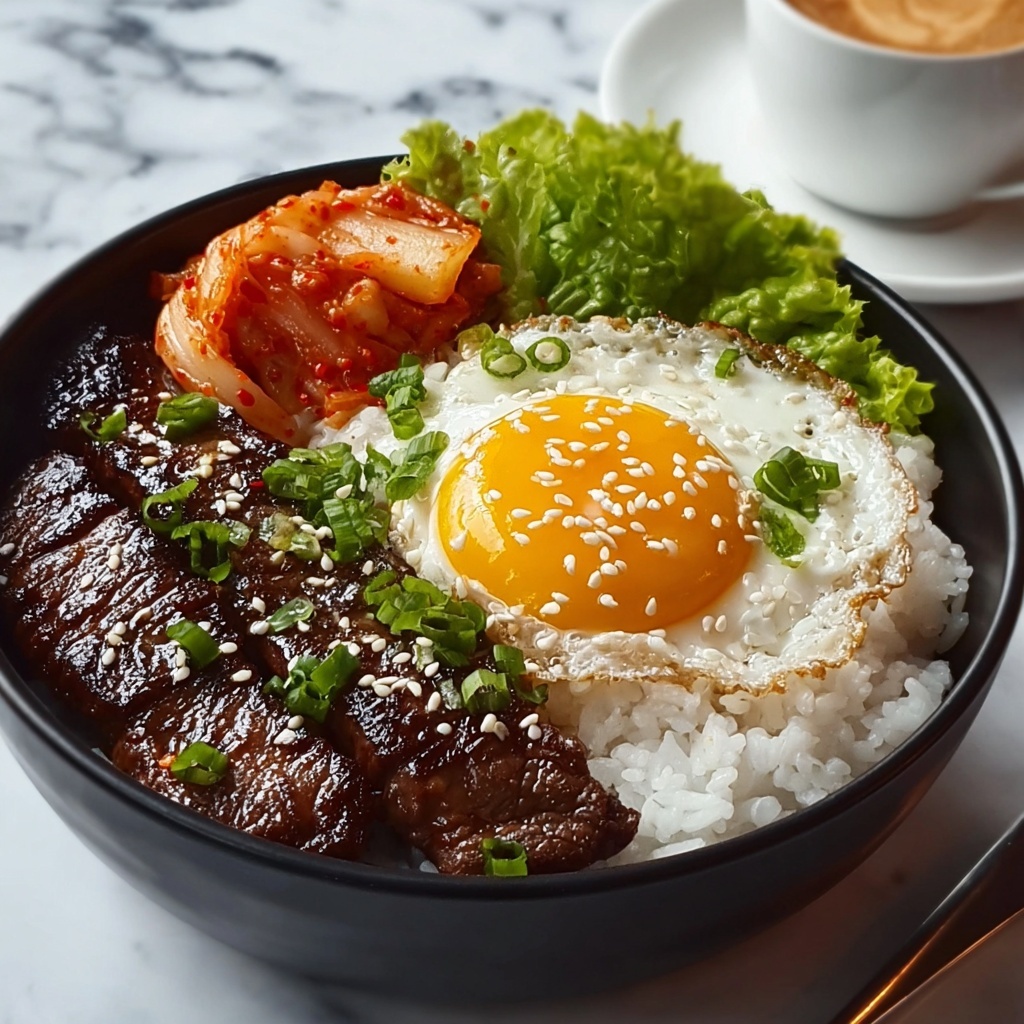
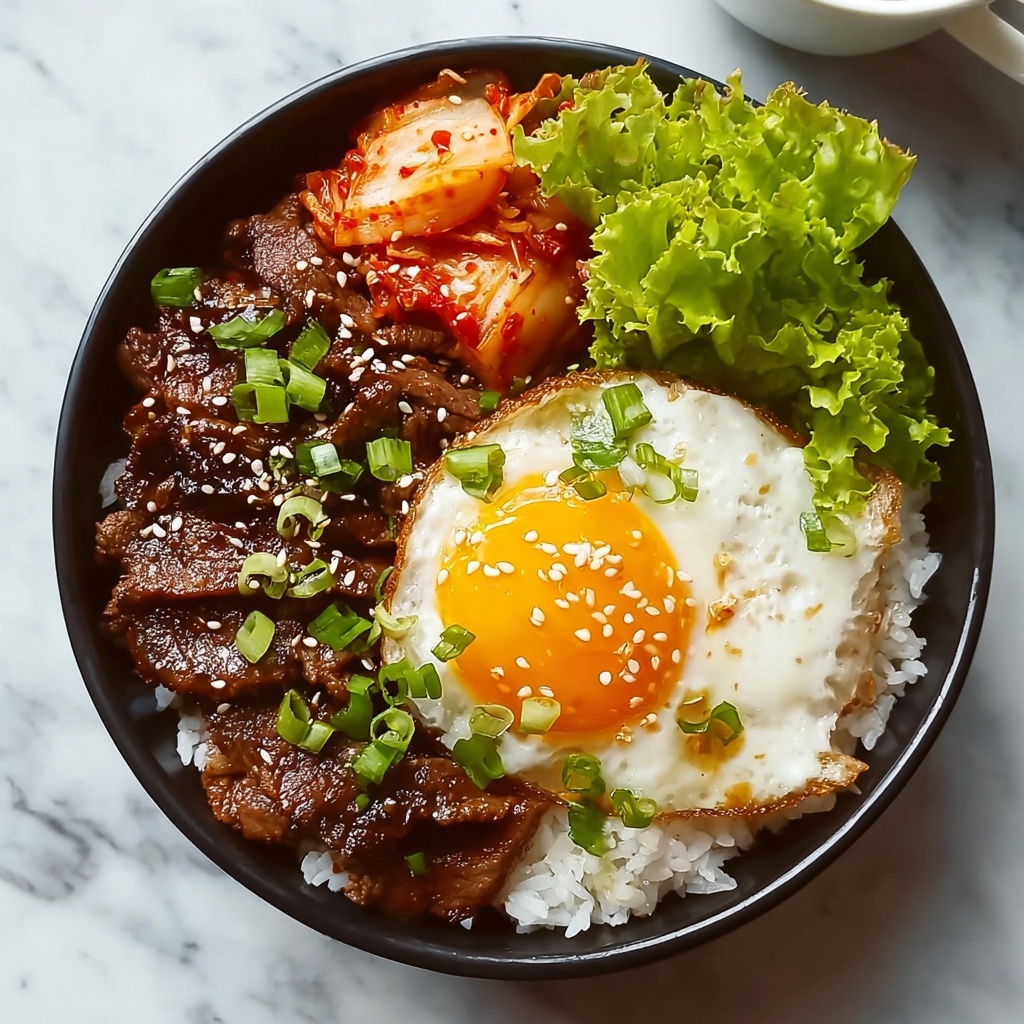
Arrange your juicy, glazed beef alongside the sautéed vegetables on a beautiful serving plate. Sprinkle extra sesame seeds and sliced green onions on top for that pop of texture and color. Serve with fluffy steamed rice or wrap everything up in fresh lettuce or perilla leaves, adding kimchi on the side to keep the experience authentic and exhilarating.
How to Serve Korean Beef Bulgogi Recipe
Garnishes
Simple garnishes can elevate your Korean Beef Bulgogi Recipe to restaurant-quality levels. A scattering of toasted sesame seeds not only adds a nutty crunch but also enhances the overall aroma. Freshly sliced green onions lend a crisp freshness that balances the richness of the beef. These little touches make each bite more interesting and visually appealing.
Side Dishes
Traditionally, bulgogi is served with steamed white rice and a variety of banchan (Korean side dishes). Crisp kimchi, pickled radishes, or spicy cucumber salad introduce contrasting textures and funky flavors that brighten the meal. You can also add simple stir-fried greens or a mild soup to complete your Korean feast.
Creative Ways to Present
For a fun twist, try turning your Korean Beef Bulgogi Recipe into lettuce wraps that your guests can build themselves. Place the beef and sautéed veggies in the center of each leaf and top with a dollop of gochujang or a sprinkle of chopped peanuts for an exciting texture. Another idea is to serve bulgogi over a warm bowl of rice noodles with fresh herbs for a fusion take that’s fresh and flavorful.
Make Ahead and Storage
Storing Leftovers
After enjoying your meal, transfer any leftover bulgogi and vegetables to an airtight container and store them in the refrigerator. They will keep well for up to 3 days, making it perfect for quick lunches or dinners during a busy week.
Freezing
If you want to save some for later, freeze the cooked bulgogi in a freezer-safe container or heavy-duty freezer bag. Properly stored, it will maintain its delicious flavor for up to 2 months. Thaw the beef slowly in the fridge before reheating to preserve its tender texture.
Reheating
For the best results, reheat leftover bulgogi gently in a skillet over medium heat. This helps keep the beef tender and caramelized without drying it out. Add a splash of water or a little extra sesame oil to refresh the flavors and avoid toughening the meat. Serve with fresh rice or greens to bring the dish back to life.
FAQs
Can I use other cuts of beef for bulgogi?
Absolutely! While ribeye or sirloin offer a great balance of tenderness and flavor, you can use flank steak or brisket if sliced thinly against the grain. Just keep in mind these cuts might need a longer marinade time to become fully tender.
Is this Korean Beef Bulgogi Recipe spicy?
The traditional marinade is mildly sweet and savory, but adding gochujang gives it a gentle kick. If you prefer it less spicy, simply leave out the gochujang. You can always serve spicy sauce on the side for guests who want more heat.
What can I use if I don’t have Asian pear or apple?
If those ingredients aren’t available, a bit of grated white onion or a splash of pineapple juice can substitute to help tenderize the meat and add a touch of natural sweetness. Just be careful with quantity to avoid overpowering the other flavors.
Can I prepare the marinade and beef ahead of time?
Yes! Marinating the beef overnight is even better, as it helps the flavors penetrate deeply and tenderizes the meat. You can slice the beef and prepare the marinade the day before for ultimate convenience.
How do I make this dish gluten-free?
To adapt this Korean Beef Bulgogi Recipe for gluten-free diets, substitute the soy sauce with tamari or coconut aminos, which are gluten-free alternatives. Just ensure all other ingredients like mirin or gochujang do not contain gluten, or look for gluten-free versions.
Final Thoughts
Cooking this Korean Beef Bulgogi Recipe at home is like inviting a little piece of Korea into your kitchen, with flavors that dance on your palate and a warmth that fills your heart. It’s approachable for cooks of all levels but impressive enough to wow anyone lucky enough to share your table. Give it a try—the vibrant balance of sweet, savory, and spicy elements combined with tender beef and fresh veggies will make this dish one of your cherished favorites too.
Print
Korean Beef Bulgogi Recipe
- Prep Time: 40 minutes
- Cook Time: 25 minutes
- Total Time: 1 hour 5 minutes
- Yield: 4 servings
- Category: Main Course
- Method: Stovetop
- Cuisine: Korean
Description
This Korean Beef Bulgogi recipe features thinly sliced ribeye or sirloin steak marinated in a flavorful blend of soy sauce, brown sugar, sesame oil, garlic, ginger, and Asian pear for tenderness and sweetness. The beef is quickly seared in a hot skillet and finished with a honey butter glaze, then served with sautéed vegetables and steamed rice. This classic Korean dish offers a perfect balance of savory, sweet, and spicy flavors, ideal for a delicious and satisfying meal.
Ingredients
Beef and Marinade
- 1.5 lbs ribeye or sirloin steak, thinly sliced against the grain
- 6 tbsp soy sauce
- 3 tbsp brown sugar
- 2 tbsp sesame oil
- 4 cloves garlic, minced
- 1 tbsp fresh ginger, grated
- 1/2 Asian pear or red apple, grated
- 2 tbsp mirin (optional)
- 1 tbsp gochujang (optional, for spice)
- 1/4 tsp black pepper
- 2 tbsp finely chopped green onions
- 1 tsp toasted sesame seeds
- 1 tbsp neutral oil (for cooking)
Vegetables
- 1 small onion, thinly sliced
- 1 carrot, julienned
- 1 cup mushrooms (shiitake or white button), sliced
Finishing and Serving
- 2 tbsp honey butter (1 tbsp melted butter + 1 tbsp honey, mixed)
- Cooked rice, for serving
- Lettuce leaves or perilla leaves, for wrapping
- Extra sesame seeds, for garnish
- Sliced green onions, for garnish
Instructions
- Prepare the Beef: Place the beef in the freezer for 30 minutes to firm up, making it easier to slice. Using a sharp knife, cut the beef into thin strips against the grain to ensure tenderness.
- Make the Marinade: In a large bowl, whisk together soy sauce, brown sugar, sesame oil, minced garlic, grated ginger, grated Asian pear or apple, mirin if using, gochujang for spice if desired, and black pepper. Stir in chopped green onions and toasted sesame seeds to infuse flavor.
- Marinate the Beef: Add the sliced beef to the marinade, making sure each piece is fully coated. Cover and refrigerate for at least one hour, preferably overnight, to develop deep flavor and tenderize the meat.
- Prepare Vegetables: While the beef marinates, prepare the accompanying vegetables by thinly slicing the onion, julienning the carrot, and slicing the mushrooms.
- Cook the Bulgogi: Heat a grill pan or cast iron skillet over medium-high heat and add neutral oil. Cook the marinated beef in batches to avoid overcrowding, searing each side for 2 to 3 minutes until caramelized. Just before finishing, drizzle honey butter over the beef and toss quickly to create a beautiful glaze. Remove cooked beef from the pan and set aside.
- Sauté the Vegetables: In the same pan used for the beef, add the sliced onion, carrot, and mushrooms. Sauté for 3 to 4 minutes until the vegetables are softened and lightly caramelized, absorbing the pan’s flavors.
- Serve: Arrange the cooked beef and sautéed vegetables on a serving plate. Garnish with extra sesame seeds and sliced green onions. Serve hot with steamed rice or wrapped in lettuce or perilla leaves alongside kimchi for a traditional touch.
Notes
- Marinating the beef overnight enhances flavor and tenderness but at least 1 hour is necessary.
- Using Asian pear or red apple adds natural sweetness and helps tenderize the meat.
- Gochujang is optional to add a spicy kick; omit if you prefer mild flavors.
- Cook beef in batches to avoid steaming and to achieve a good caramelized crust.
- Honey butter glaze adds a rich, sweet finish that balances the savory marinade.
- Serve with lettuce or perilla leaves for a traditional Korean-style wrap experience.