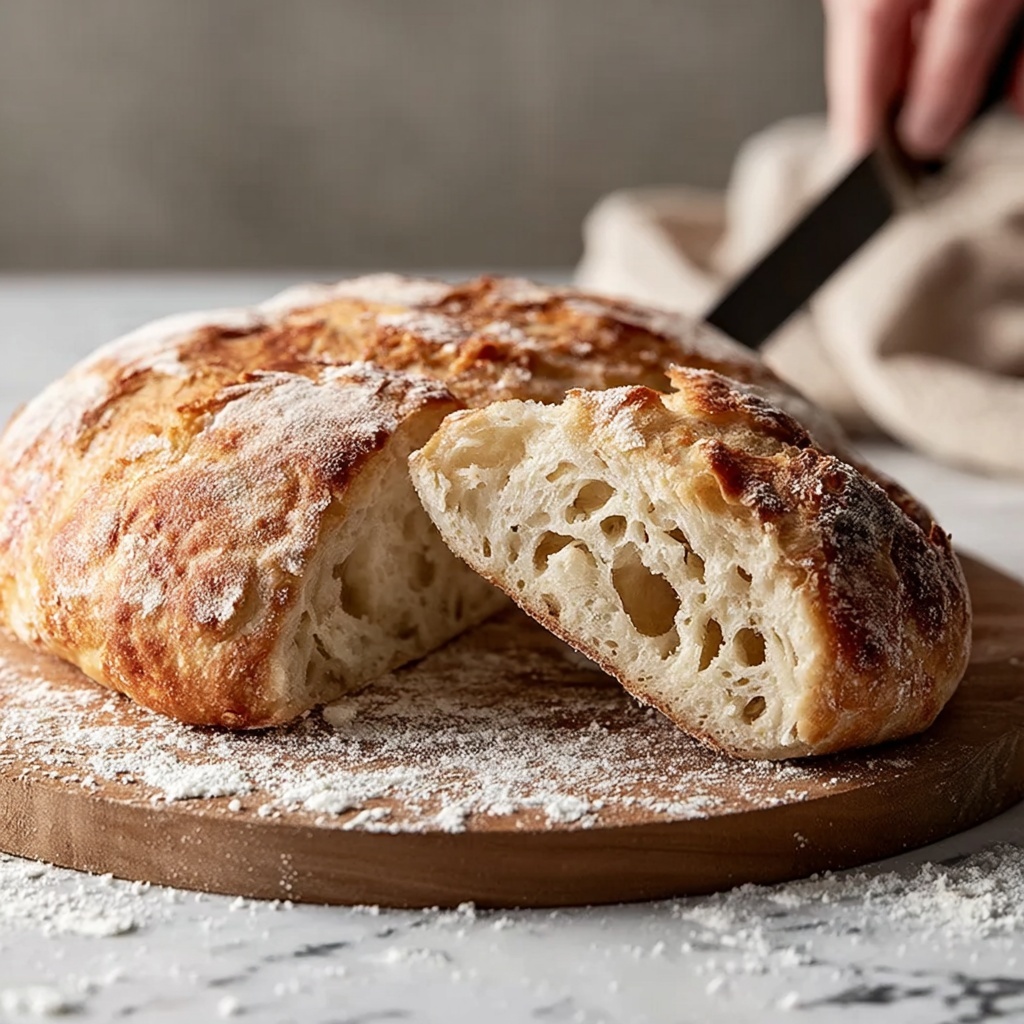
If you have been searching for the perfect pizza base that strikes the ideal balance between a crisp exterior and a chewy, tender crumb, then you are going to fall in love with this Artisan Crispy Chewy Pizza Dough Recipe. This dough creates that coveted bubbly crust every pizza lover dreams about, giving you a foundation that elevates your favorite toppings to a whole new level. Whether you’re a seasoned home baker or just starting your pizza-making adventure, this recipe delivers professional results with simple ingredients and straightforward techniques. Get ready for a pizza dough that’s as delightful to make as it is to eat!
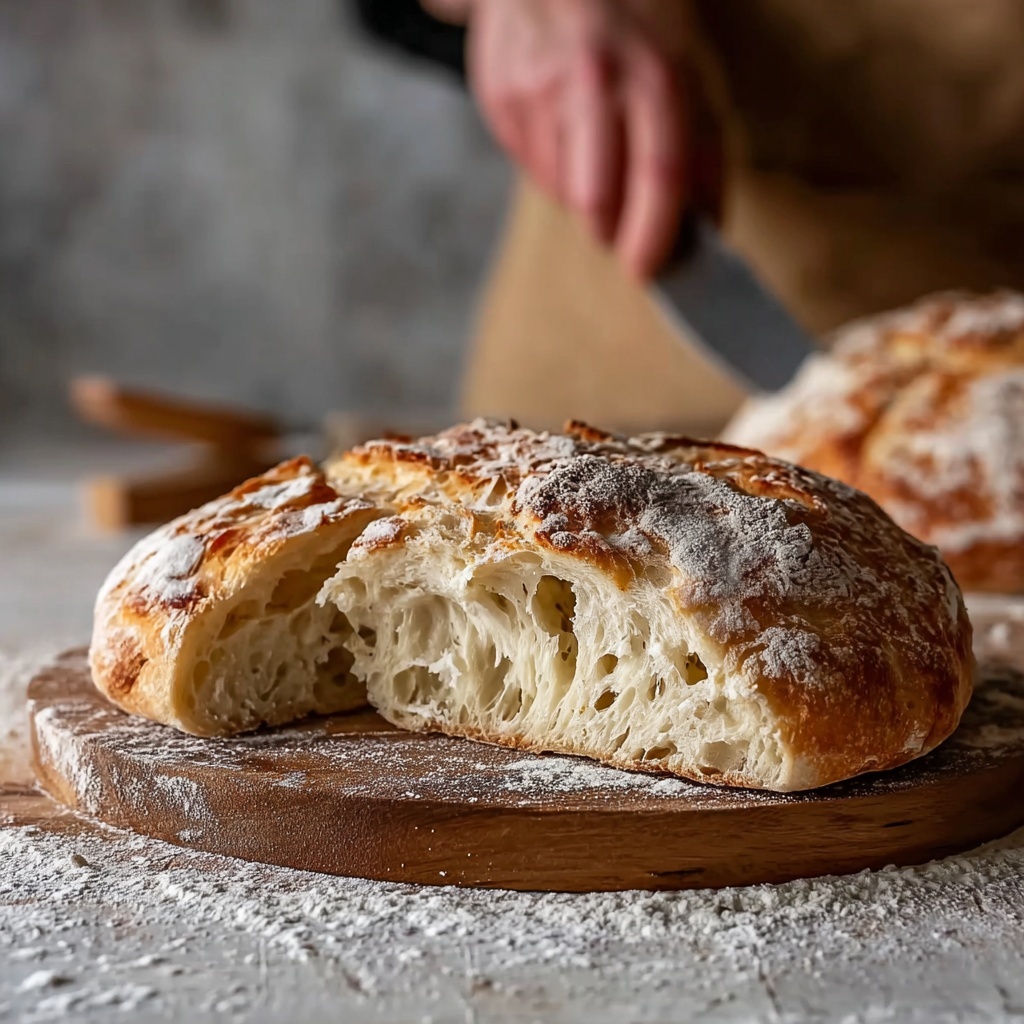
Ingredients You’ll Need
These ingredients are deceptively simple but each plays an essential role in crafting a dough that’s wonderfully crispy on the outside, chewy on the inside, and full of flavor. Understanding what each one contributes will make your pizza dough journey even more satisfying.
- Bread flour: Use bread flour for its higher protein content, which helps develop the gluten structure that gives the dough its chewy texture.
- Water: Room temperature water hydrates the flour perfectly, allowing the yeast to activate and the dough to develop a beautiful consistency.
- Fine sea salt: Salt controls yeast fermentation, enhances flavor, and strengthens the dough’s gluten network for the perfect bite.
- Instant yeast: Quick-acting instant yeast helps your dough rise reliably, creating those irresistible air pockets in the crust.
- Olive oil: A light coating of olive oil prevents sticking and adds a subtle richness that complements the dough’s flavor.
How to Make Artisan Crispy Chewy Pizza Dough Recipe
Step 1: Mix flour and yeast with water
Start by combining the bread flour and instant yeast in a large bowl. Gradually pour in the water and mix until there’s no dry flour left, forming a sticky, shaggy dough. Don’t worry if it feels rough at this stage—this texture is exactly what leads to a wonderfully airy crust.
Step 2: Initial rest
Cover your dough with a damp towel and let it rest for 30 minutes. This step hydrates the flour fully, kickstarting gluten development and making the dough easier to handle later.
Step 3: Add salt and fold
Sprinkle the fine sea salt over the dough, then fold it over itself repeatedly until the dough feels smooth. This folding helps evenly distribute the salt and strengthens the dough’s structure, preparing it for a lively rise.
Step 4: Room temperature rise
Cover your bowl and let the dough rise at room temperature for 2 to 3 hours until it doubles in size. This slow fermentation enhances flavor complexity and dough texture like nothing else.
Step 5: Perform stretch and folds
Every 30 minutes during the first rise, gently stretch the dough and fold it onto itself. This technique builds tension in the dough’s gluten network, giving your final crust that satisfying chewiness and crisp edges.
Step 6: Refrigerate for up to 3 days
Once the dough has risen, cover it and refrigerate for 24 to 72 hours. Chilling slows fermentation, developing even deeper flavors and improving the dough’s handling characteristics when you’re ready to bake.
Step 7: Bring to room temp and shape
Remove the dough from the fridge and let it come to room temperature. Divide it into portions, then shape each into a smooth ball and let rest for another 30 minutes to relax the gluten, making stretching easier.
Step 8: Heat your oven and stone
Preheat your oven to 500°F or higher, placing a pizza stone or steel inside to get piping hot. This high heat is crucial for crisping the dough’s bottom while keeping it chewy and tender above.
Step 9: Stretch, top, and bake
Gently stretch your dough into your preferred pizza shape—no rolling pin needed! Add your favorite toppings, then bake directly on the preheated stone for 7 to 10 minutes until the crust is golden, bubbly, and utterly irresistible.
How to Serve Artisan Crispy Chewy Pizza Dough Recipe
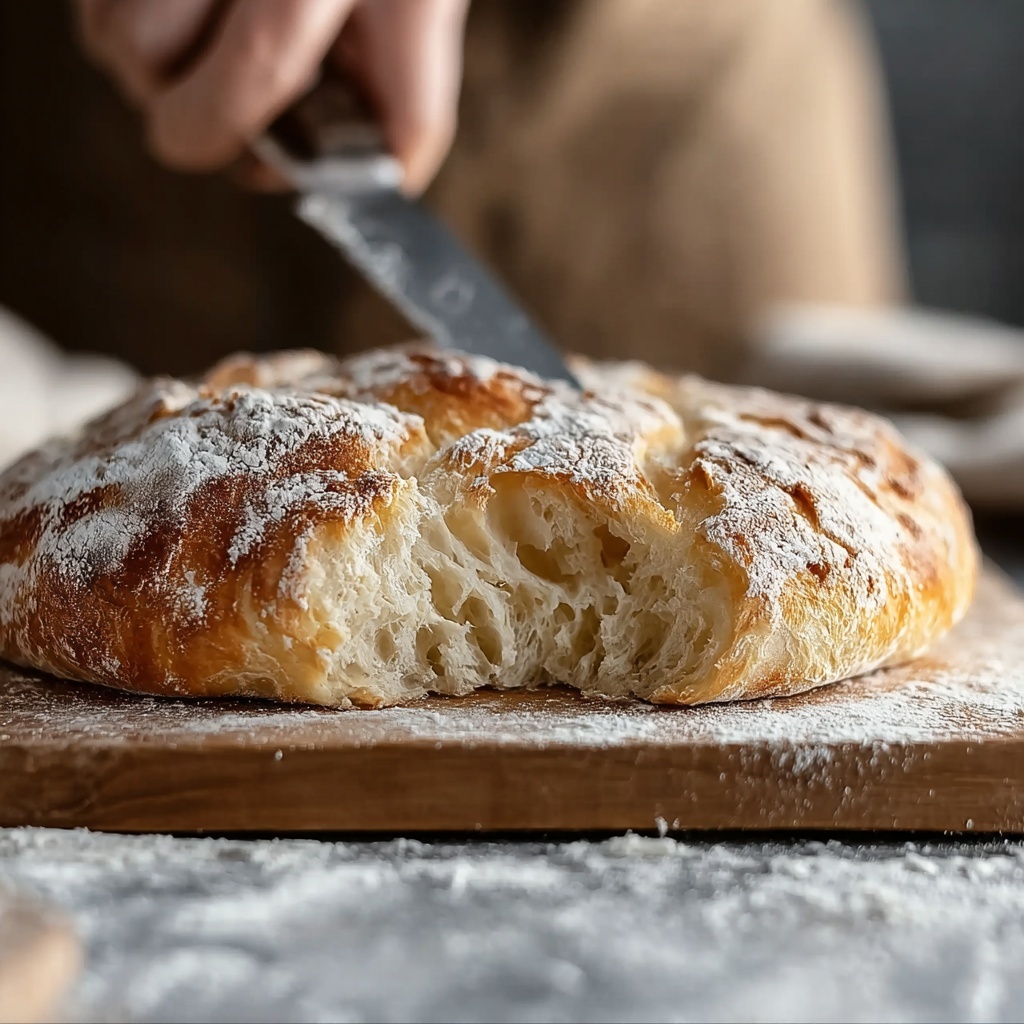
Garnishes
Once out of the oven, finish your pizza with fresh basil leaves, a drizzle of extra virgin olive oil, or a sprinkle of flaky sea salt to highlight the dough’s amazing texture and flavor. These simple touches bring a gourmet feel to your homemade pizza.
Side Dishes
Pair your pizza with a crisp green salad dressed lightly with lemon vinaigrette or some marinated olives for a refreshing contrast. A bowl of homemade garlic knots or a plate of roasted vegetables also complements the artisan crust beautifully.
Creative Ways to Present
Slice your pizza thin for a perfect party appetizer or cut into rustic wedges for casual family dinners. You can even serve mini pizzas using smaller dough balls, turning this recipe into a fun hands-on meal everyone can customize.
Make Ahead and Storage
Storing Leftovers
Wrap leftover pizza tightly in plastic wrap or store in an airtight container and refrigerate. It will stay fresh for up to 3 days, ready to enjoy without sacrificing any of that crispy chewiness.
Freezing
You can freeze raw dough balls after the first rise by wrapping them individually and placing them in a freezer bag. Thaw overnight in the fridge before using. This makes it easy to have fresh dough ready anytime you crave homemade pizza.
Reheating
Reheat leftover pizza in a hot skillet or under the broiler to revive that crispy bottom and bubbly crust. Avoid the microwave if you want to maintain that artisan texture and chewiness.
FAQs
Can I use all-purpose flour instead of bread flour?
While all-purpose flour can work in a pinch, bread flour is recommended because its higher protein content creates better gluten development, leading to that signature chewy texture in the Artisan Crispy Chewy Pizza Dough Recipe.
Is it necessary to refrigerate the dough?
Refrigerating the dough is a key step for flavor development and improving dough handling. The cold fermentation slows yeast activity, enhancing complexity and making the dough easier to stretch without tearing.
Can I make this dough without olive oil?
The olive oil is mainly for coating and adding a subtle richness. While not strictly necessary, using it will help keep the dough moist and prevent sticking during handling.
How do I know when the dough has risen enough?
The dough should roughly double in size and feel light and airy when gently pressed. If you see bubbles forming beneath the surface, that’s a great sign your dough is ready.
What if I don’t have a pizza stone or steel?
You can bake the pizza on an inverted baking sheet preheated in the oven. While a stone or steel yields the best crispness, this alternative still produces delicious results.
Final Thoughts
I encourage you to try this Artisan Crispy Chewy Pizza Dough Recipe because it transforms a humble dough into a canvas for endless delicious creations. With just a few straightforward steps and simple ingredients, you’ll delight in crafting pizzas that taste as if they came from your favorite pizzeria. Your kitchen is about to become your favorite pizza place—happy baking!
Print
Artisan Crispy Chewy Pizza Dough Recipe
- Prep Time: 30 minutes
- Cook Time: 10 minutes
- Total Time: 3 days (includes 24-72 hours refrigeration plus active prep and cook time)
- Yield: 2 to 3 pizzas
- Category: Bread/Dough
- Method: Baking
- Cuisine: Italian
- Diet: Vegetarian
Description
This Artisan Pizza Dough recipe yields a crispy, chewy, and bubbly crust perfect for making authentic homemade pizzas. The dough utilizes a slow fermentation process in the refrigerator to develop complex flavors and an airy texture, resulting in a professional-quality crust that crisps beautifully in a hot oven with a pizza stone or steel.
Ingredients
Dry Ingredients
- 500 grams (about 4 cups) bread flour
- 2 teaspoons fine sea salt
- 2 grams (1/2 teaspoon) instant yeast
Wet Ingredients
- 375 grams (1 1/2 cups plus 1 tablespoon) water, room temperature
- 1 tablespoon olive oil (for coating)
Instructions
- Mix Dough: In a large bowl, combine the bread flour and instant yeast. Gradually add the room temperature water while mixing until no dry flour remains, creating a sticky and shaggy dough.
- Autolyse Rest: Cover the bowl with a damp towel and let the dough rest for 30 minutes to hydrate the flour and begin gluten development.
- Add Salt and Fold: Sprinkle the fine sea salt over the dough, then fold the dough over itself repeatedly until it becomes smooth and cohesive.
- First Rise: Cover the dough and let it rise at room temperature for 2 to 3 hours, or until it doubles in volume.
- Stretch and Folds: During the first rise, perform a series of “stretch and folds” every 30 minutes to build dough strength and gluten structure.
- Cold Fermentation: After the first rise, refrigerate the covered dough for 24 to 72 hours to develop flavor and texture.
- Portion and Rest: Remove the dough from the refrigerator, bring it to room temperature, then divide into portions. Shape each portion into a ball and let rest for 30 minutes to relax the gluten.
- Preheat Oven and Pizza Stone: Preheat your oven to 500°F (260°C) or higher, placing a pizza stone or steel inside to heat thoroughly for a crisp crust.
- Shape, Top, and Bake: Stretch each dough ball into a pizza shape, add your preferred toppings, then bake on the preheated stone for 7 to 10 minutes until the crust is bubbly, golden, and crisp.
Notes
- Using bread flour with higher protein content helps develop better gluten structure for a chewy crust.
- Cold fermentation enhances flavor and texture but can be adjusted depending on schedule.
- Ensure the pizza stone or steel is thoroughly preheated for optimal crust crispiness.
- Stretch and folds help create an airy and bubbly dough without kneading.
- Use instant yeast for convenience and reliable fermentation.
- Room temperature water aids fermentation; avoid water that’s too hot or cold.