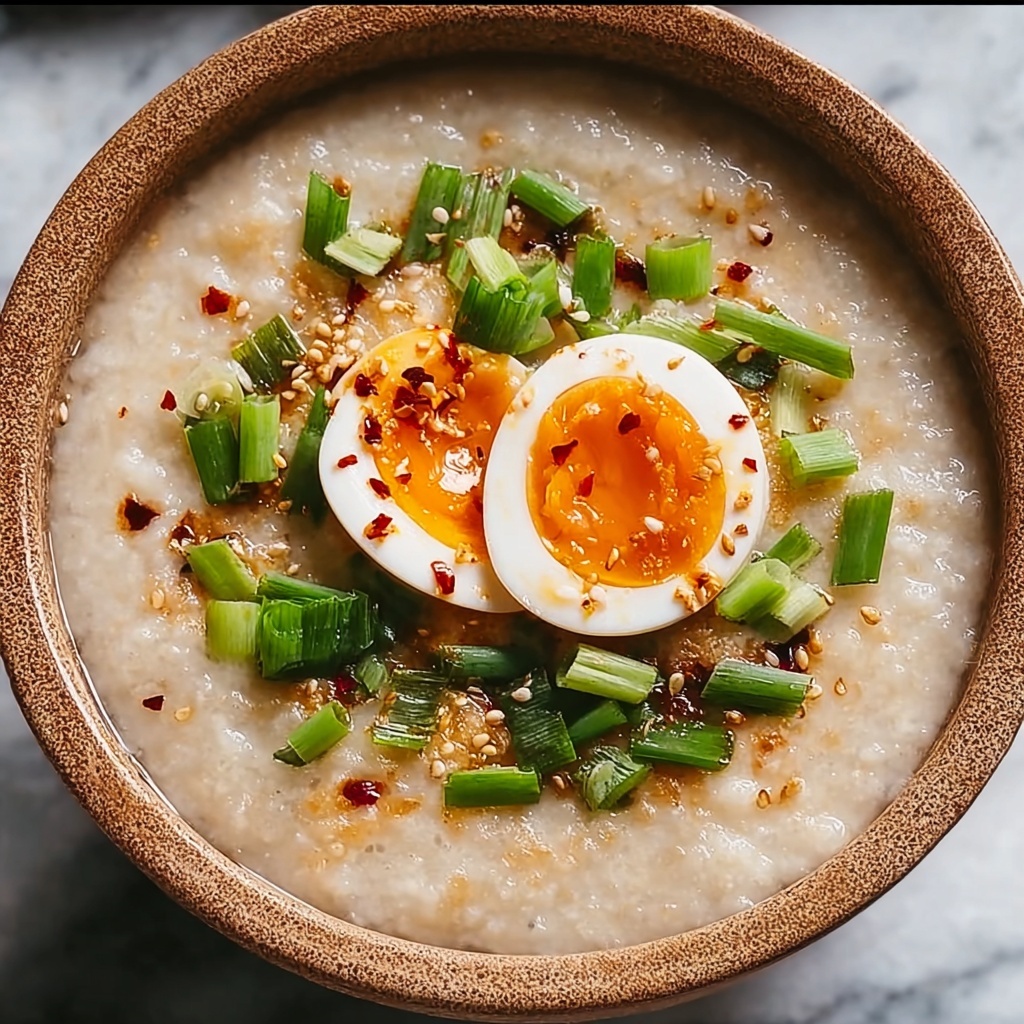
If you’re searching for a bowl that feels like a warm hug in every spoonful, this Congee with Miso Sauce Recipe is exactly what you need. It’s a comforting rice porridge elevated by a rich, umami-packed miso sauce that perfectly balances savory depth with a subtle hint of sweetness and tang. Whether you’re craving something nourishing for breakfast, a light lunch, or a soothing dinner, this dish wraps simple ingredients into a harmonious melody of flavors and textures that will quickly become a favorite in your kitchen.
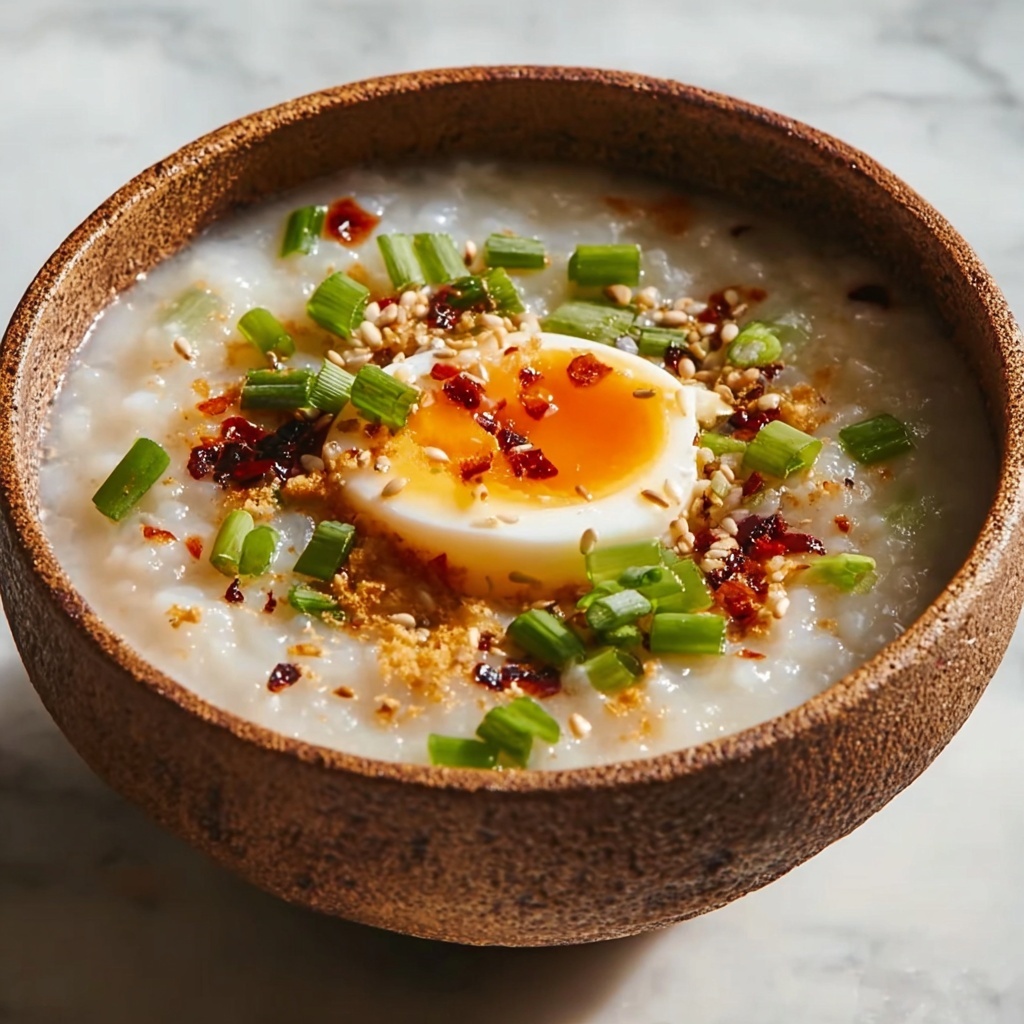
Ingredients You’ll Need
What makes this Congee with Miso Sauce Recipe so delightful is how straightforward the ingredients are, yet each plays an essential role. From the creamy short-grain rice to the punchy miso and ginger, every element builds layers of flavor and texture, while the touches of freshness bring life and color to the bowl.
- 1 cup short-grain rice: The key to that smooth, creamy congee texture—any rice works, but short-grain is ideal.
- 6 cups water or vegetable broth: Broth adds extra depth; water keeps it clean and simple.
- 1 tablespoon ginger, finely chopped: Adds a warm, slightly spicy aroma that brightens the congee.
- 1 tablespoon sesame oil: Infuses the rice with a subtle nuttiness, boosting flavor.
- Salt to taste: To enhance and balance all the flavors perfectly.
- 2 tablespoons miso paste (white or red): The soulful heart of the sauce, providing umami richness.
- 2 tablespoons soy sauce: Brings a salty, savory kick to the miso sauce.
- 1 tablespoon rice vinegar: Adds brightness and slightly tangy contrast.
- 1 tablespoon sesame oil: A second helping in the sauce for deeper nuttiness.
- 1 teaspoon honey (optional): Just a hint of sweetness to round out the flavors.
- 1/4 cup water: To adjust the miso sauce’s consistency perfectly.
- 2 soft-boiled or poached eggs: Creamy richness that complements the savory congee.
- Chopped green onions or scallions: Fresh crunch and color on top.
- Toasted sesame seeds: Adds delightful texture and enhances nuttiness.
- Fresh cilantro or parsley: A burst of herbaceous freshness for balance.
- Sautéed spinach or bok choy: Earthy greens to complete the dish and make it wholesome.
How to Make Congee with Miso Sauce Recipe
Step 1: Cook the Rice
Begin by rinsing the short-grain rice under cold water until the water runs clear. This removes excess starch and helps achieve the creamy yet smooth texture congee is known for. In a large pot, combine the rice and 6 cups of water or vegetable broth, then bring it to a boil.
Step 2: Simmer Until Creamy
Once boiling, reduce the heat to low and add the finely chopped ginger and a tablespoon of sesame oil. Let the rice simmer gently, uncovered or partially covered, stirring occasionally to prevent sticking. This slow cooking can take about 45 minutes to an hour, depending on your rice. The goal is a porridge-like consistency where the grains break down lovingly into a creamy base.
Step 3: Prepare the Miso Sauce
While the congee cooks, whisk together the miso paste, soy sauce, rice vinegar, remaining sesame oil, honey (if using), and 1/4 cup water in a small bowl. Stir until smooth and well combined. This sauce will pack a punch of savory, tangy, and slightly sweet flavors that perfectly complement the subtle rice porridge.
Step 4: Cook Your Eggs
Soft-boiled or poached eggs are the perfect creamy topper. To soft-boil, simmer eggs for about 6 minutes before plunging into ice water for easy peeling. If you prefer poached, gently crack eggs into simmering water with a bit of vinegar until whites are set but yolks remain runny.
Step 5: Assemble Your Bowl
Ladle the steaming congee into bowls, then drizzle generously with the miso sauce. Place the eggs carefully on top and garnish with chopped green onions, toasted sesame seeds, fresh herbs, and sautéed greens like spinach or bok choy. Each ingredient adds a beautiful aroma, flavor, texture, or pop of color that brings the dish alive.
How to Serve Congee with Miso Sauce Recipe
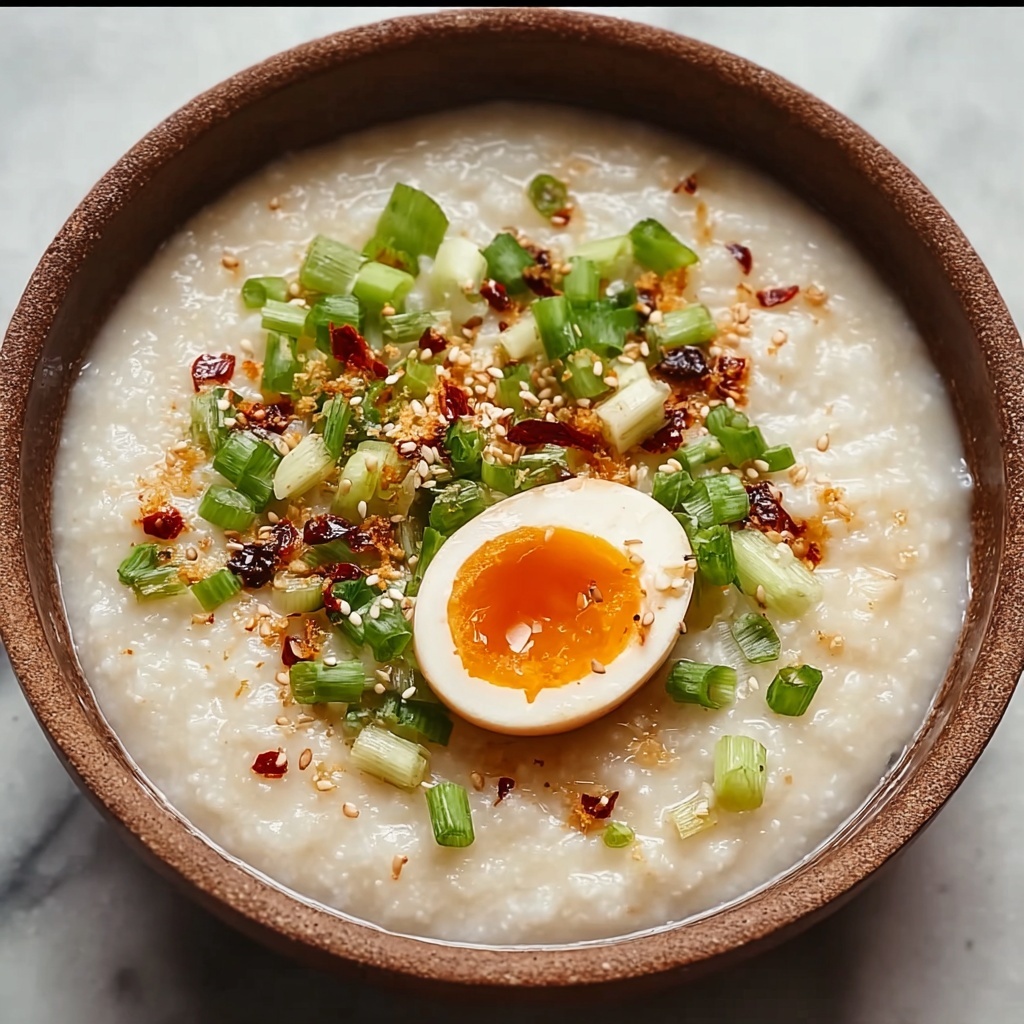
Garnishes
The garnishes are where you can play and personalize your congee experience. Chopped scallions add brightness and crunch, while toasted sesame seeds lend a nutty crunch. Fresh cilantro or parsley introduces an herbaceous freshness that cuts through the richness of the miso sauce, and sautéed greens provide an earthy balance and a touch of vibrant color.
Side Dishes
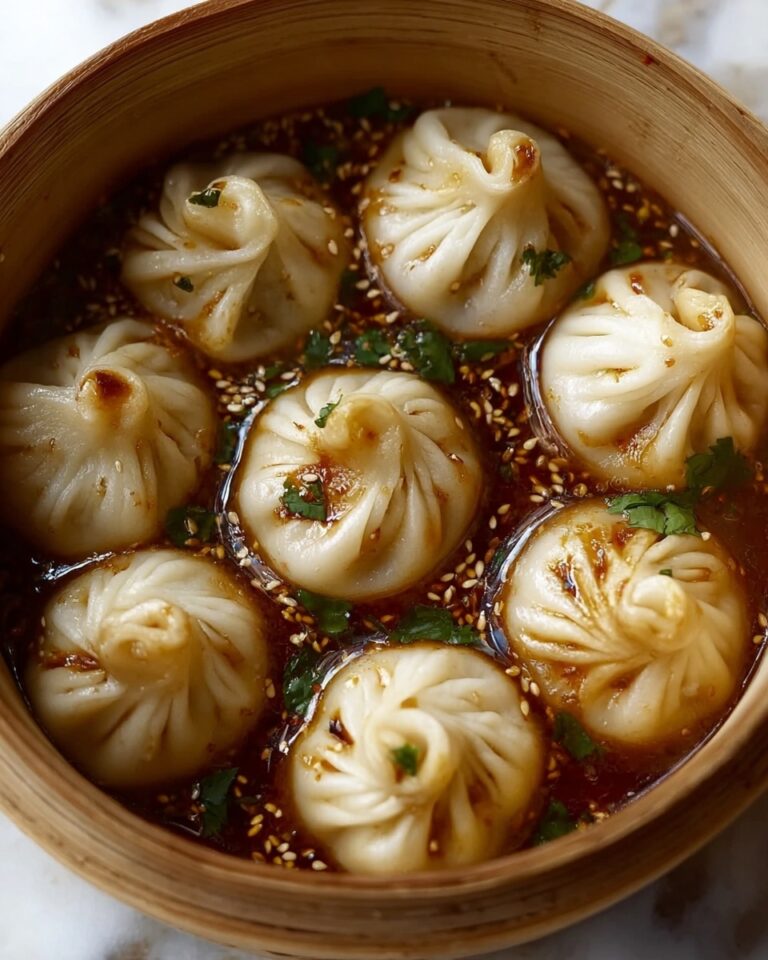
This dish stands beautifully on its own as a nourishing meal, but you can also serve it alongside simple pickled vegetables or steamed dumplings. These sides add textural contrast and extra flavor layers, making your meal feel complete and satisfying.
Creative Ways to Present
For a fun twist, try serving the congee in small ramekins as appetizers topped with a dollop of miso sauce and a mini soft-boiled quail egg. You could also jazz it up by swirling in chili oil or toasted nori flakes for extra complexity. Presentation is part of the joy of this dish—feel free to get creative!
Make Ahead and Storage
Storing Leftovers
Leftover congee can be stored in an airtight container in the refrigerator for up to 3 days. Because congee thickens as it cools, expect a denser texture upon reheating, but don’t worry, it’s super easy to adjust.
Freezing
You can freeze congee in freezer-safe containers for up to 1 month. Leave some space at the top for expansion, and when you’re ready to enjoy it, thaw overnight in the fridge before reheating gently.
Reheating
Reheat congee on the stovetop over low-medium heat, adding a splash of water or broth to loosen the texture back to that silky, spoonable goodness. Stir frequently to prevent sticking, and heat until warmed through. Add freshly prepared miso sauce to revitalize the bowl.
FAQs
Can I use other types of rice for this congee with miso sauce recipe?
Absolutely! While short-grain rice is best for a creamy texture, medium or long-grain rice can also work, though the texture may be less thick and sticky. Adjust cooking time accordingly.
Is miso paste gluten-free?
Many miso pastes are gluten-free, especially those made from rice or soybeans alone, but some varieties include barley or wheat. Check labels carefully if gluten is a concern.
Can I make this dish vegan?
Yes! Simply skip the eggs and use vegetable broth for cooking. The miso sauce is already plant-based, making this recipe naturally vegan-friendly without eggs.
How spicy is this dish?
This Congee with Miso Sauce Recipe isn’t spicy by default, but you can easily add chili oil, fresh sliced chili, or a sprinkle of red pepper flakes if you want to bring in some heat.
What’s the best way to adjust the thickness of the congee?
If your congee is too thick, add a little more hot water or broth while reheating, stirring to your preferred consistency. If it’s too thin, continue simmering gently for a bit longer to reduce and thicken.
Final Thoughts
This Congee with Miso Sauce Recipe is a heartwarming bowl of comfort that’s simple yet packed with flavor. I wholeheartedly encourage you to give it a try—whether you’re new to congee or a longtime fan, the harmony of flavors and textures here will make this one of your go-to recipes for anytime you crave something nourishing, cozy, and utterly delicious.
Print
Congee with Miso Sauce Recipe
- Prep Time: 10 minutes
- Cook Time: 75 minutes
- Total Time: 85 minutes
- Yield: 4 servings
- Category: Breakfast
- Method: Stovetop
- Cuisine: Asian
Description
A comforting and nourishing congee recipe enhanced with a flavorful miso sauce, perfect for a wholesome breakfast or light meal. Creamy rice porridge is gently simmered and served with savory miso-based sauce, soft-boiled eggs, and fresh garnishes like green onions, sesame seeds, and sautéed greens.
Ingredients
Congee
- 1 cup short-grain rice (or any rice you prefer)
- 6 cups water (or vegetable broth for more flavor)
- 1 tablespoon ginger, finely chopped
- 1 tablespoon sesame oil
- Salt to taste
Miso Sauce
- 2 tablespoons miso paste (white or red)
- 2 tablespoons soy sauce
- 1 tablespoon rice vinegar
- 1 tablespoon sesame oil
- 1 teaspoon honey (optional, for a touch of sweetness)
- 1/4 cup water (to adjust sauce consistency)
Garnishes
- 2 soft-boiled eggs (or poached eggs)
- Chopped green onions or scallions
- Toasted sesame seeds
- Fresh cilantro or parsley
- Sautéed spinach or bok choy
Instructions
- Prepare the Congee: Rinse the rice under cold water until the water runs clear. In a large pot, combine the rinsed rice, 6 cups of water or vegetable broth, chopped ginger, and sesame oil. Bring to a boil over medium-high heat.
- Simmer the Porridge: Once boiling, reduce the heat to low and let it simmer gently, uncovered, stirring occasionally to prevent sticking. Continue cooking for about 60 to 90 minutes until the rice breaks down and achieves a creamy, porridge-like consistency. Add salt to taste during the simmering process.
- Make the Miso Sauce: While the congee simmers, whisk together the miso paste, soy sauce, rice vinegar, sesame oil, honey (if using), and 1/4 cup water in a small bowl until smooth. Adjust water quantity to reach your desired sauce consistency.
- Cook the Eggs: Soft-boil or poach the eggs according to your preference. For soft-boiled eggs, boil water, gently add eggs and cook for 6-7 minutes, then plunge into ice water to stop cooking.
- Prepare Garnishes: Chop the green onions or scallions and fresh herbs, toast sesame seeds lightly in a dry pan until fragrant, and sauté spinach or bok choy with a little oil and garlic until wilted.
- Assemble and Serve: Ladle the hot congee into bowls. Drizzle the miso sauce over the top. Place the soft-boiled eggs on the side or cut in halves on top. Garnish with chopped green onions, toasted sesame seeds, fresh herbs, and sautéed greens. Serve immediately for a warm comforting meal.
Notes
- You can substitute vegetable broth with chicken broth for richer flavor.
- Adjust miso paste quantity to taste if you prefer a stronger or milder sauce.
- The congee can be made ahead and reheated, adding water as needed to adjust consistency.
- For a vegan version, omit eggs and ensure miso paste and soy sauce are vegan-friendly.
- Use fresh herbs and greens to add brightness and texture to the dish.
- Soft-boiled eggs add richness, but feel free to use poached or even fried eggs as alternatives.