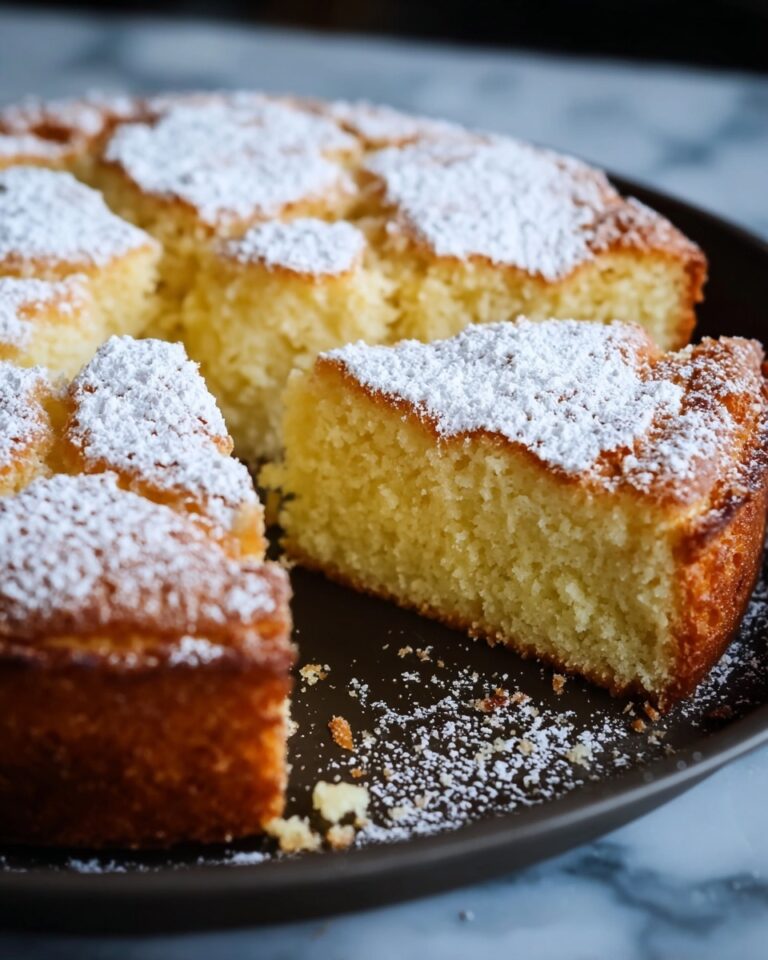
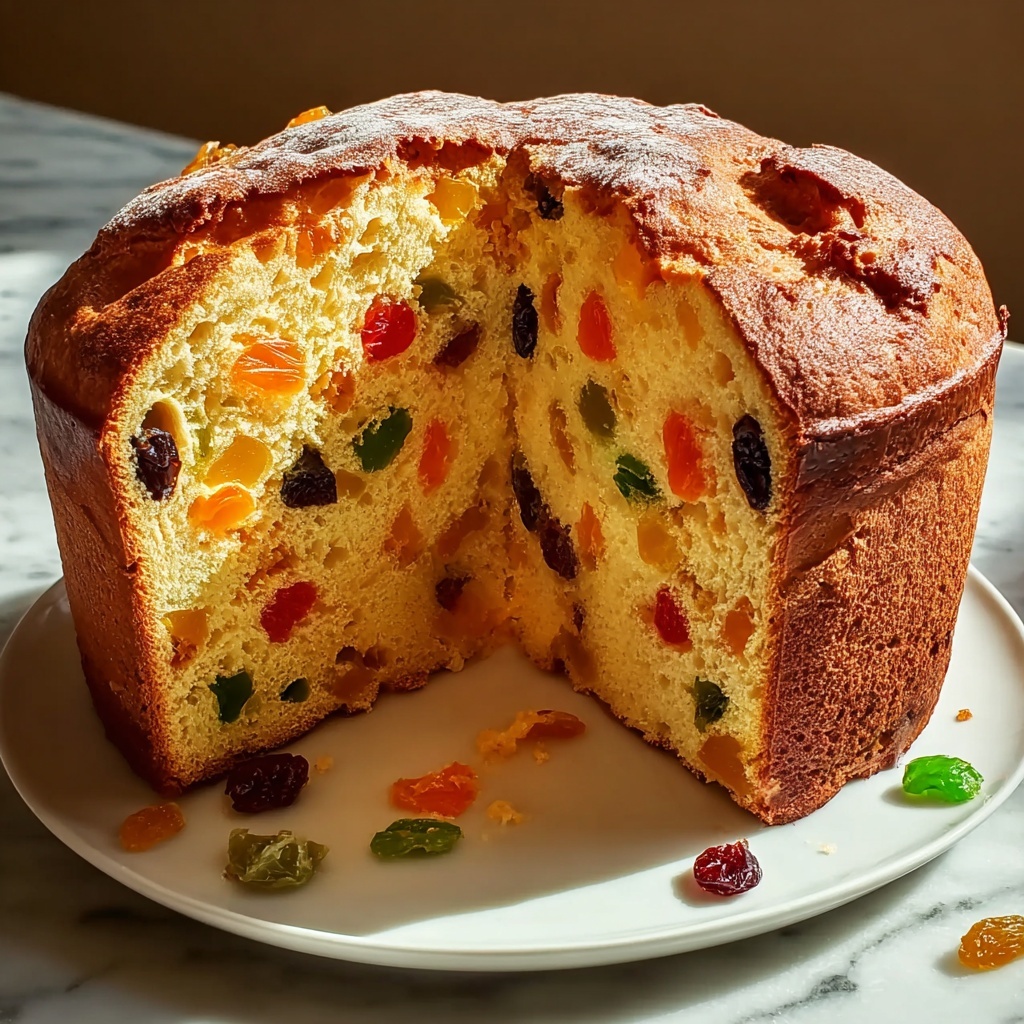
If you’ve ever wanted to bring a slice of Italian holiday magic right into your kitchen, this Panettone: 7 Irresistible Tips for Perfect Holiday Baking Recipe is just what you need. This classic sweet bread, studded with fragrant dried fruit and kissed with vanilla, is a festive treat that boasts a light, fluffy crumb and a beautifully golden crust. I can’t wait to walk you through every step and share insider tips that will transform your baking experience, making your holiday celebrations even more irresistible.
Ingredients You’ll Need
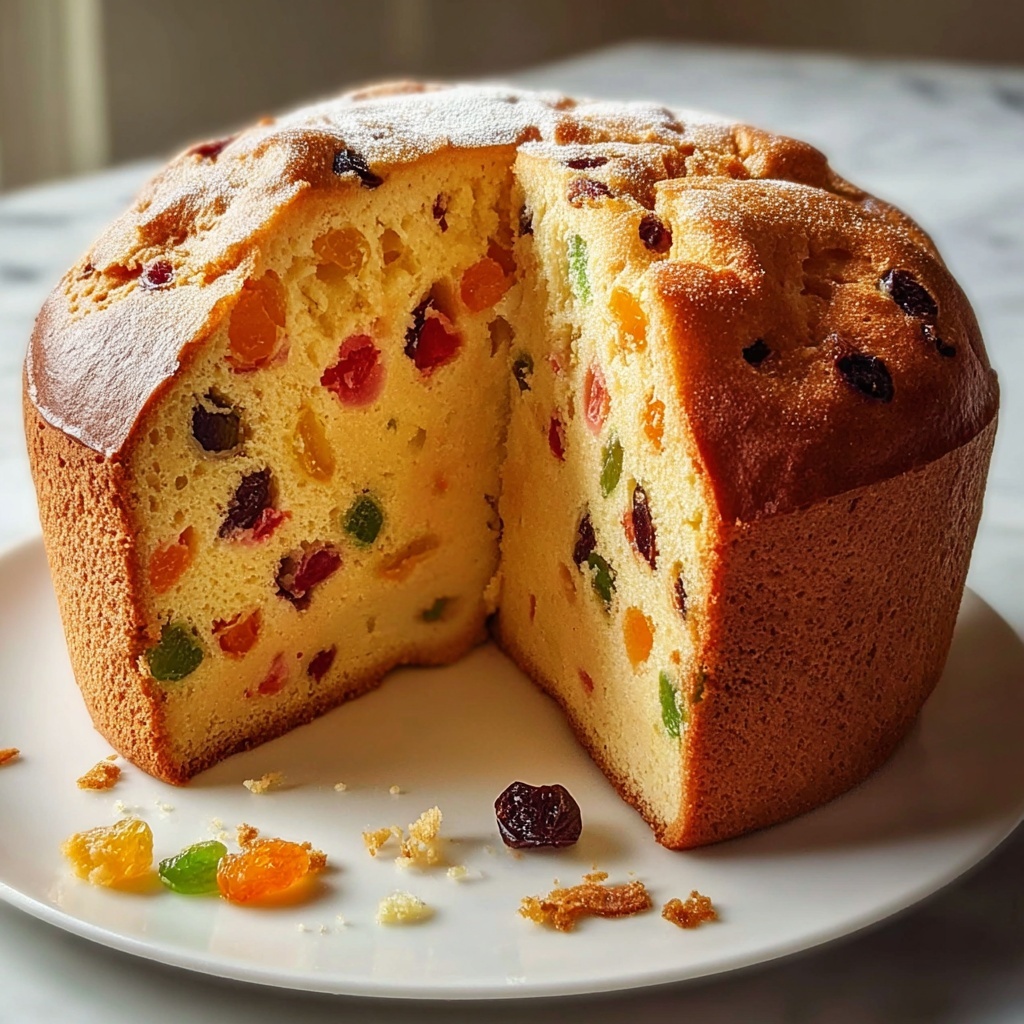
The beauty of this recipe lies in its simplicity and the quality of each ingredient. Every component, from the flour that forms the dough’s foundation to the buttery richness and the fruity bursts, plays a vital role in creating that perfect panettone texture and flavor you dream of.
- 500g all-purpose flour: The base of your dough, it provides structure and softness.
- 200ml warm water: Essential for activating the yeast and hydrating the flour.
- 100g sugar: Adds sweetness and helps with yeast fermentation for a tender crumb.
- 100g unsalted butter, softened: Brings richness and moisture, making the bread tender.
- 4 large eggs: Contribute to the dough’s structure and give it a lovely golden color.
- 10g active dry yeast: The magic that makes your dough rise, giving panettone its airy texture.
- 200g mixed dried fruit: Adds bursts of chewy sweetness and festive color.
- 1 tsp vanilla extract: Infuses the dough with warm, aromatic flavors.
- 1/2 tsp salt: Balances the sweetness and enhances all the other flavors.
How to Make Panettone: 7 Irresistible Tips for Perfect Holiday Baking Recipe
Step 1: Activate the Yeast Properly
Start by dissolving your yeast in warm water with just a pinch of sugar. This wakes up the yeast and ensures your dough will rise beautifully. Remember, water should be warm, not hot, around 38°C/100°F; too hot and it kills the yeast.
Step 2: Combine Your Dry Ingredients
Mix your flour, sugar, and salt in a large bowl. Doing this first ensures even distribution and helps your dough come together smoothly in the next step.
Step 3: Incorporate Eggs, Butter, and Yeast Mixture
Pour the eggs, softened butter, and the activated yeast mixture into your flour blend. Mix thoroughly to create a slightly sticky dough. The fats in the butter are critical here—they provide tenderness and keep your panettone moist longer.
Step 4: Knead Until Smooth and Elastic
Kneading is key to develop gluten, which supports the dough’s structure and traps the gas released by yeast. Aim for a dough that feels slightly tacky but smooth and elastic to the touch, about 10-15 minutes by hand or less with a stand mixer.
Step 5: Fold in Dried Fruit and Vanilla
Gently work in your mixed dried fruit and vanilla extract, making sure they’re evenly distributed without over-kneading. The fruit not only adds sweetness but adds delightful texture contrasts in every bite.
Step 6: Let the Dough Rise Twice
Let your dough rise in a warm place for 2 hours, until doubled in size. Then, shape it into a round ball, place it in a panettone mold, and allow it to rise again for 1 hour. These two rises develop flavor and ensure that signature light texture.
Step 7: Bake to Golden Perfection
Bake your panettone in a preheated oven at 180°C (350°F) for 40-50 minutes. It’s done when it’s golden brown, and a skewer inserted in the center comes out clean. Cooling completely before slicing helps the crumb set beautifully.
How to Serve Panettone: 7 Irresistible Tips for Perfect Holiday Baking Recipe
Garnishes
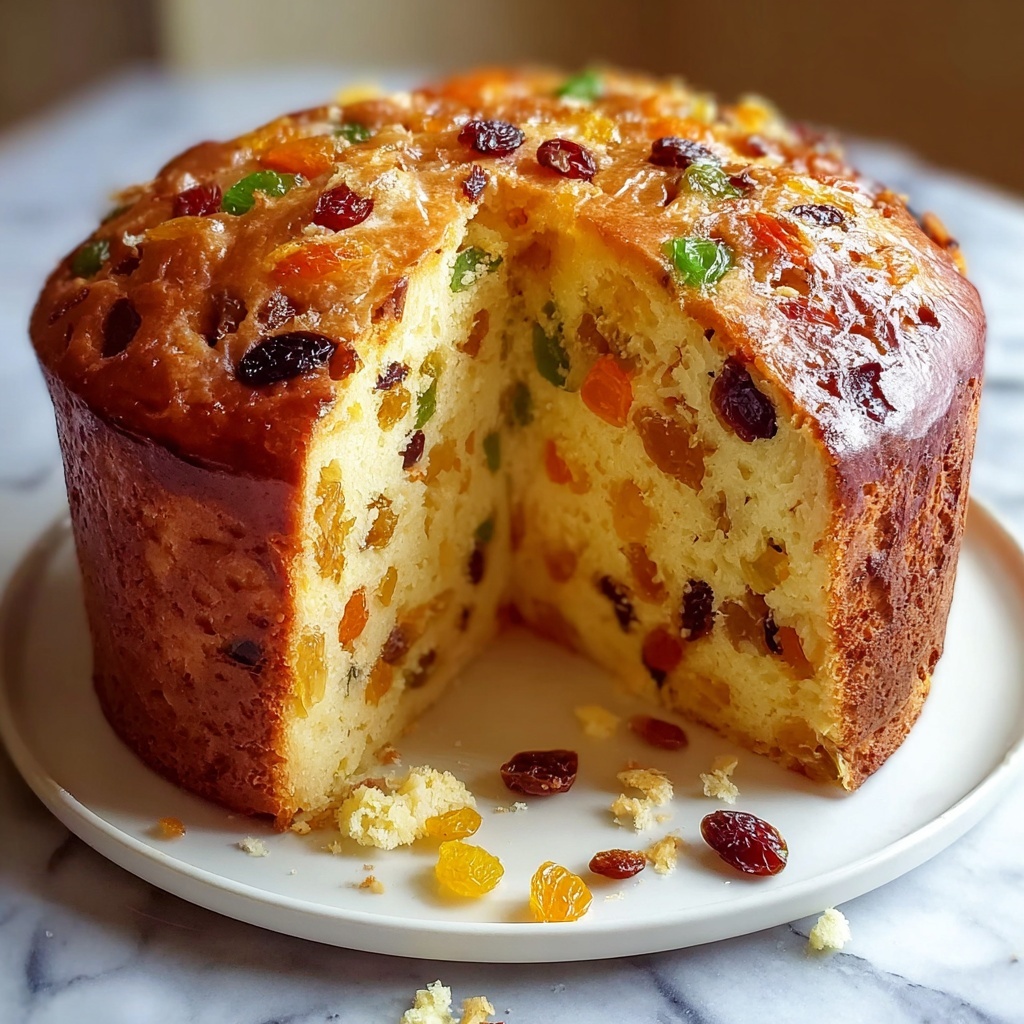
Enhance your panettone with a delicate dusting of powdered sugar or a drizzle of vanilla glaze. For an extra festive touch, sprinkle chopped pistachios or candied orange zest on top right after baking for sparkle and crunch.
Side Dishes
Pair warm slices with mascarpone whipped cream or a luscious chocolate sauce. Fresh berries or a dollop of berry compote also make wonderful companions, balancing the sweetness with bright, tangy notes.
Creative Ways to Present
Turn your panettone into a show-stopping centerpiece by slicing it into thick wedges and stacking them with layers of Nutella or ricotta. You can also toast slices and serve with flavored butters like cinnamon honey or almond butter for a delightful breakfast twist.
Make Ahead and Storage
Storing Leftovers
Once cooled, wrap your panettone tightly in plastic wrap or store it in an airtight container at room temperature to keep it moist and fresh. It should last beautifully for 3-4 days—perfect for savoring through the holidays.
Freezing
Panettone freezes wonderfully. Wrap slices individually in plastic wrap and foil, then place them in a freezer bag. When you’re ready to enjoy, thaw at room temperature—this helps preserve its fluffy texture and fruity taste.
Reheating
Warm slices gently in a low oven or toaster oven to bring back that just-baked softness and aroma. Avoid microwaving if possible, as it can make the texture rubbery.
FAQs
Can I use instant yeast instead of active dry yeast?
Absolutely! If using instant yeast, you can mix it directly with the dry ingredients without activating it in warm water first. Just adjust the rising time as needed since instant yeast works faster.
How can I prevent my panettone from drying out?
Make sure to store it airtight once cooled and avoid overbaking. Adding butter to the recipe also helps retain moisture, ensuring your panettone stays soft for days.
Is it necessary to use a panettone mold?
While traditional, the mold helps the dough rise tall and shape properly, giving the characteristic domed look. If you don’t have one, use a deep, high-sided round pan and line it with parchment paper to support the dough.
Can I substitute dried fruit with fresh fruit?
Fresh fruit contains too much moisture, which can affect the dough’s rise and texture. Stick with dried fruit, or try candied fruit for that classic panettone flavor and chewy bite.
Why does my panettone sometimes collapse after baking?
This usually happens if the dough is under-kneaded or over-proofed. Proper gluten development and watching the rising times carefully will help maintain the structure so your panettone holds its shape perfectly.
Final Thoughts
Baking panettone is such a rewarding holiday tradition, and with these Panettone: 7 Irresistible Tips for Perfect Holiday Baking Recipe, you’ll feel confident every step of the way. This tender, fragrant bread has a way of bringing joy and warmth to the table, making those moments with family and friends even more special. So don your apron, get your hands dirty, and enjoy every delicious bite of this Italian classic!
Print
Panettone: 7 Irresistible Tips for Perfect Holiday Baking Recipe
- Prep Time: 40 minutes
- Cook Time: 45 minutes
- Total Time: 2 hours 10 minutes
- Yield: 1 panettone loaf (about 8-10 servings)
- Category: Baking
- Method: Baking
- Cuisine: Italian
Description
This classic panettone recipe guides you through the process of creating a tender, flavorful Italian holiday bread studded with mixed dried fruit. Perfect for festive occasions, this sweet bread combines a delicate yeast dough enriched with butter and eggs, yielding a soft, airy texture with a golden crust. The recipe includes step-by-step instructions and helpful tips to ensure your panettone rises beautifully and bakes to perfection.
Ingredients
Dough Ingredients
- 500g all-purpose flour
- 200ml warm water
- 100g sugar
- 100g unsalted butter, softened
- 4 large eggs
- 10g active dry yeast
- 1/2 tsp salt
- 1 tsp vanilla extract
Mix-ins
- 200g mixed dried fruit
Instructions
- Activate the yeast: In a small bowl, combine the active dry yeast with the warm water and a pinch of sugar. Let it sit for about 5-10 minutes until it becomes frothy, indicating the yeast is active.
- Prepare dry ingredients: In a large mixing bowl, whisk together the all-purpose flour, sugar, and salt to ensure even distribution.
- Combine wet and dry ingredients: Add the eggs, softened butter, and the activated yeast mixture to the bowl with the flour mixture. Stir gently to begin forming the dough.
- Knead the dough: Transfer the dough onto a clean, floured surface and knead for about 10-15 minutes until it becomes smooth, elastic, and slightly tacky but not sticky.
- Add flavor and fruit: Gradually knead in the mixed dried fruit and vanilla extract until they are evenly distributed throughout the dough.
- First rise: Place the dough in a greased bowl, cover it with a damp cloth or plastic wrap, and let it rise in a warm, draft-free spot for about 2 hours or until doubled in size.
- Shape the dough: Punch down the risen dough gently to release air, then shape it into a round ball. Place it inside a panettone mold or tall round baking pan lined with parchment paper.
- Second rise: Cover the dough again and let it rise for an additional 1 hour until it puffs up and fills the mold.
- Bake: Preheat your oven to 180°C (350°F). Bake the panettone for 40 to 50 minutes, rotating halfway through if necessary, until the top is golden brown and a skewer inserted into the center comes out clean.
- Cool and serve: Remove the panettone from the oven and let it cool completely on a wire rack before slicing and serving. This helps to set the texture and flavors.
Notes
- Use room temperature eggs and softened butter for better dough consistency.
- Ensure the water for yeast activation is warm but not hot, around 38-43°C (100-110°F), to avoid killing the yeast.
- For a richer flavor, consider adding citrus zest or a splash of rum with the dried fruit.
- If panettone molds are unavailable, a deep round cake pan can be used with parchment paper for support.
- Make sure to cool the bread completely before slicing to maintain structure and prevent crumbling.