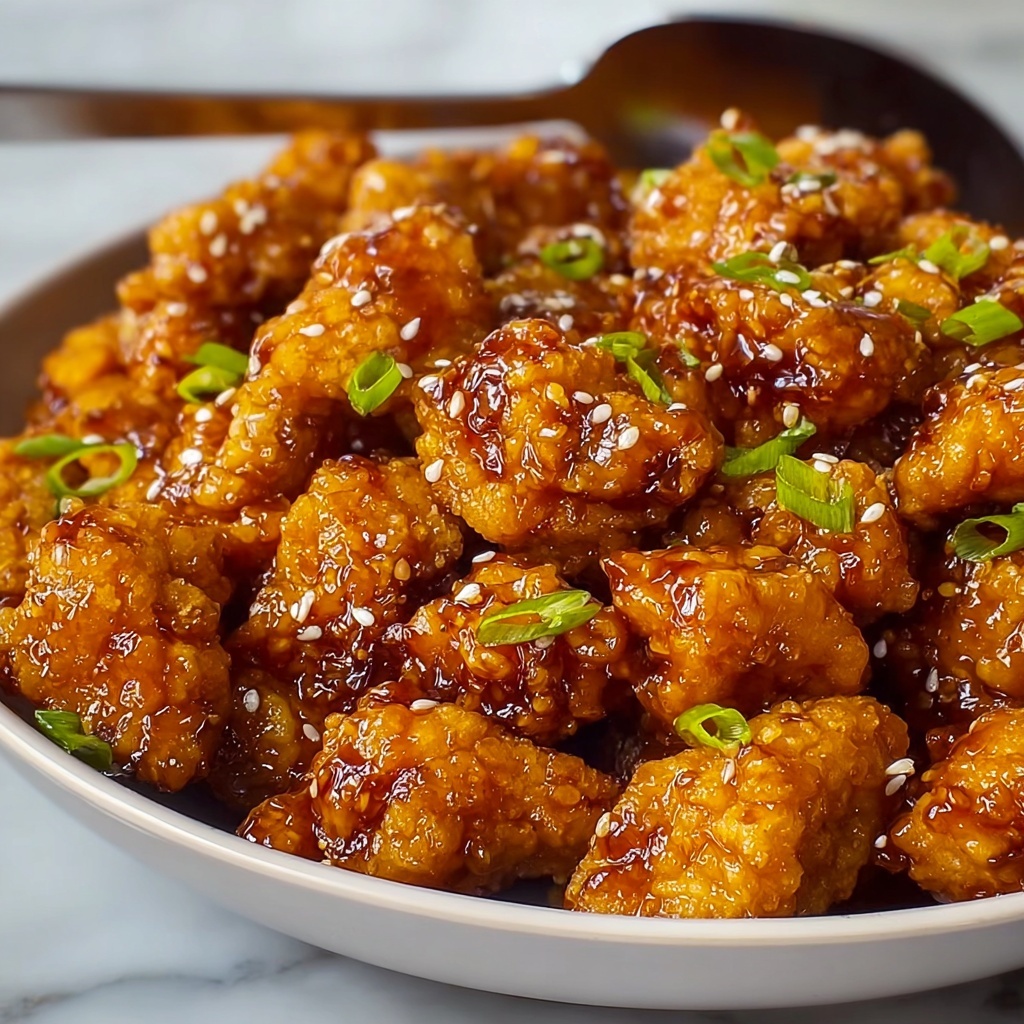
If you have been searching for a dish that perfectly balances savory, sweet, and a touch of zest, then this Sesame Glazed Roasted Cauliflower Recipe is exactly what you need. This recipe transforms humble cauliflower into a mouthwatering, crispy, and flavor-packed masterpiece with a glossy, sticky sesame glaze that clings to each tender floret. The combination of toasted sesame oil, soy sauce, and a hint of maple syrup creates an addictive glaze that gently caramelizes in the oven, making this dish an irresistible crowd-pleaser whether you serve it as a side or a vegetarian main course.
Ingredients You’ll Need
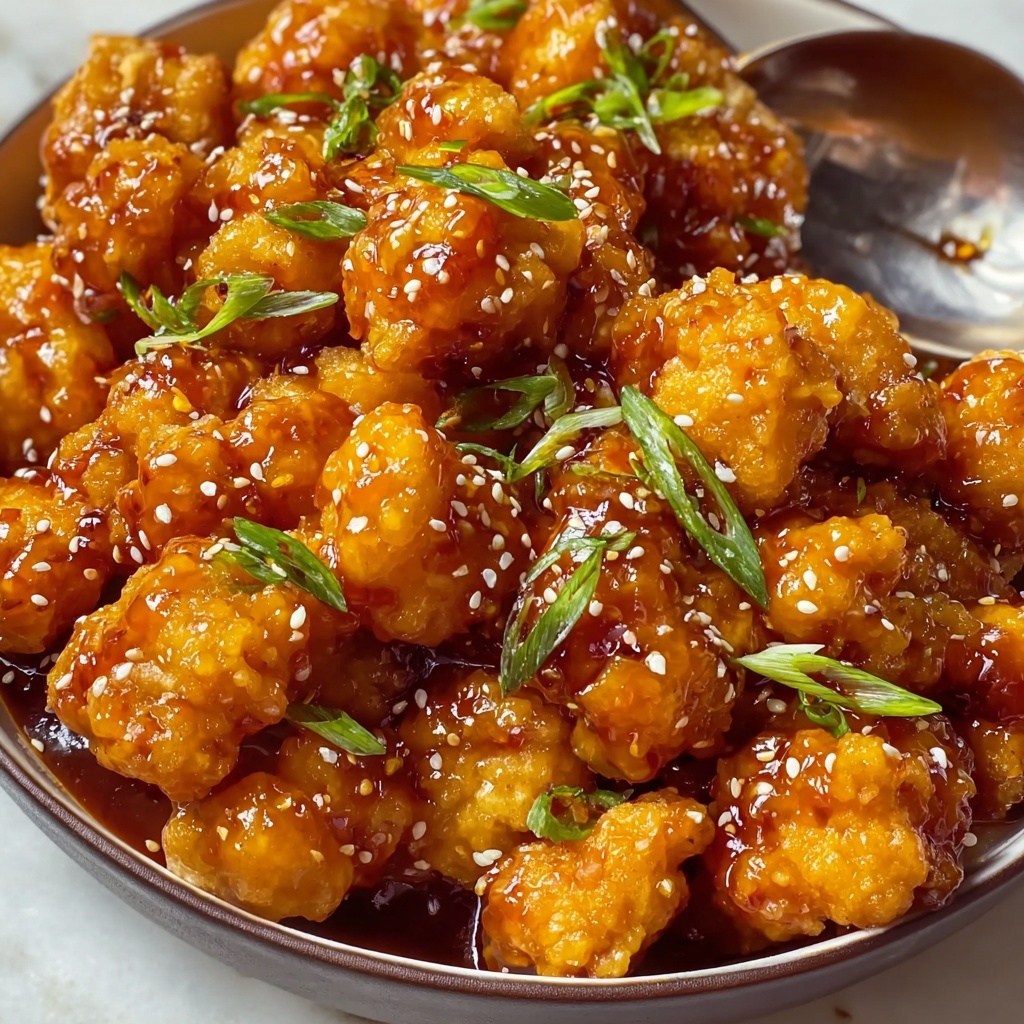
Simple, fresh ingredients come together effortlessly in this Sesame Glazed Roasted Cauliflower Recipe, each adding an unmistakable layer of flavor or texture. From the cauliflower’s natural nuttiness to the punch of garlic and the silky, sweet glaze, every component plays a key role in creating this delectable dish.
- Cauliflower (6 1/2 cups florets): Choose a firm, fresh head for the best texture and roasting results.
- Low-sodium soy sauce (1/3 cup): Provides the rich umami base of the glaze while keeping saltiness balanced.
- Pure maple syrup, honey, or agave (1/4 cup): Adds natural sweetness that perfectly complements the soy sauce and gives a beautiful caramelized finish.
- Rice vinegar (1/4 cup): Brightens the glaze with a mild tang to offset the sweetness.
- Minced garlic (1 tbsp): Introduces a warm, aromatic depth to the sauce.
- Toasted sesame oil (1 ½ tsp): Infuses an unmistakable, nutty aroma that defines the dish.
- Powdered ginger (½ tsp): Offers a subtle zing that lifts the overall flavor profile.
- Cornstarch or arrowroot (1 ½ tbsp): Essential for thickening the glaze into a luscious coating.
- Water (1/4 cup): Used to dissolve the cornstarch for smooth sauce thickening.
- Sesame seeds and scallions: Perfect garnishes providing crunch and fresh herbal note.
How to Make Sesame Glazed Roasted Cauliflower Recipe
Step 1: Preheat and Prepare Cauliflower
Start by preheating your oven to 450°F. Cut the cauliflower into evenly sized florets, making sure one side is flat for better roasting. Arrange the florets spaced out on a baking pan to ensure they roast evenly and get nicely crispy edges.
Step 2: Roast the Cauliflower
Bake the cauliflower for 10 minutes, then flip each floret to expose the other side. Continue baking for another 10 minutes. You’ll know they’re ready when the florets are tender with just the right crispy golden-brown bits. This roasting step is crucial for developing wonderful texture and flavor.
Step 3: Prepare the Sesame Glaze Sauce
While the cauliflower roasts, it’s time to prepare your sauce. In a saucepan, combine the soy sauce, maple syrup (or your choice of sweetener), rice vinegar, minced garlic, toasted sesame oil, and powdered ginger. Bring this magical blend to a gentle boil, which helps the flavors meld into something truly delicious.
Step 4: Thicken the Sauce
In a small bowl, dissolve the cornstarch (or arrowroot) in water, stirring until it’s smooth. Slowly whisk this mixture into the boiling sauce. Continue cooking and stirring for a few minutes until the sauce thickens into a glossy, sticky glaze that will cling beautifully to your cauliflower.
Step 5: Coat the Cauliflower with Glaze
Remove the roasted cauliflower from the oven and pour the thickened glaze over the florets. For an extra boost of crispiness and caramelization, place the pan briefly under the broiler for about a minute, watching closely to avoid burning.
Step 6: Final Touches
Once coated and glazed, sprinkle the cauliflower generously with toasted sesame seeds and chopped scallions. Not only do these garnishes add a lovely crunch and pop of color, but they also enhance the sesame flavor and fresh aroma, rounding out this fantastic dish.
How to Serve Sesame Glazed Roasted Cauliflower Recipe
Garnishes
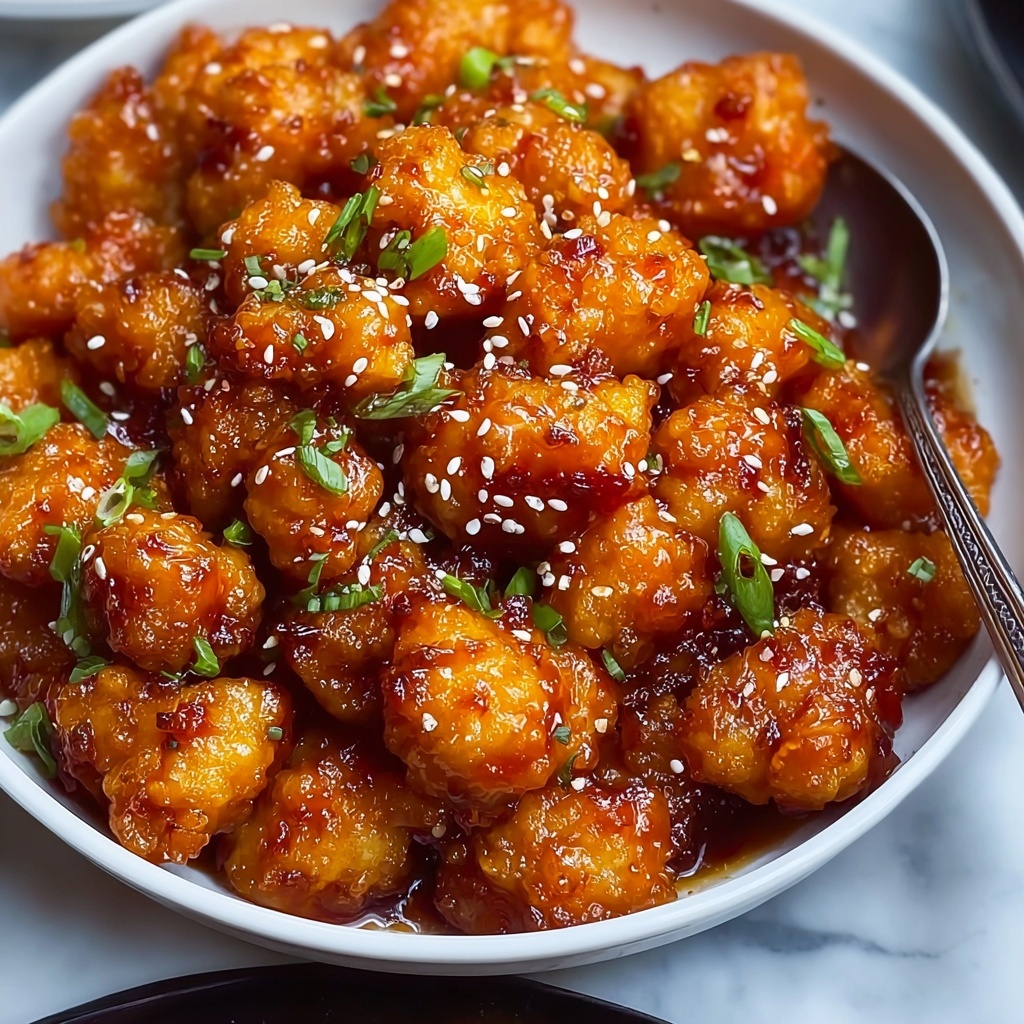
For garnishes, toasted sesame seeds and fresh scallions are non-negotiable—they add the perfect finishing texture and an inviting look. You can also consider a light sprinkle of red pepper flakes if you enjoy a bit of heat or a drizzle of extra sesame oil for intensified flavor.
Side Dishes
This Sesame Glazed Roasted Cauliflower Recipe pairs wonderfully with simple steamed jasmine rice or quinoa to soak up the tantalizing glaze. It also complements Asian-inspired main dishes like miso-glazed salmon, teriyaki chicken, or tofu stir-fry, making it a versatile side for any occasion.
Creative Ways to Present
For a fun twist, serve this cauliflower on a bed of greens with a sprinkle of crushed peanuts for crunch. Alternatively, transform it into a vibrant Buddha bowl combined with avocado, shredded carrots, and a drizzle of spicy mayo for a filling plant-based meal that’s as beautiful as it is tasty.
Make Ahead and Storage
Storing Leftovers
Leftover glazed cauliflower can be stored in an airtight container in the refrigerator for up to 3 days. This keeps the florets fresh and the glaze intact, though the texture will soften slightly over time.
Freezing
If you want to freeze it, lay the glazed cauliflower out on a baking sheet until firm, then transfer to a freezer-safe bag or container. It can be frozen for up to 2 months, but best texture and flavor are enjoyed if used within a month.
Reheating
To reheat, place the cauliflower on a baking sheet and warm it in a 375°F oven until heated through—about 10 minutes. This method helps restore some of the original crispiness. Avoid microwaving if you want to maintain texture, as it tends to make the florets soggy.
FAQs
Can I use frozen cauliflower for this recipe?
While fresh cauliflower is best for texture and roasting, frozen cauliflower can work in a pinch. Thaw and pat dry first to remove excess moisture, then proceed with roasting. The florets might be a bit softer but will still taste great with the glaze.
Is there a substitute for soy sauce?
If you need a soy-free or gluten-free alternative, tamari or coconut aminos work beautifully without compromising that umami flavor. Just be mindful of the salt levels as some substitutes can be saltier or milder.
Can I make this recipe vegan?
This Sesame Glazed Roasted Cauliflower Recipe is naturally vegan if you choose a sweetener like maple syrup or agave. Avoid honey if you want to keep it strictly plant-based.
How spicy is this dish?
This recipe is mild and more savory-sweet than spicy. You can adjust the heat by adding cayenne or chili flakes to the glaze if you prefer some kick.
What’s the best way to ensure the glaze sticks well?
Allow the cauliflower to come out of the oven hot and toss it immediately with the glossy, thickened glaze. The warmth helps the sauce cling to every crevice. A quick broil afterward also seals the glaze beautifully.
Final Thoughts
There is something truly magical about how simple ingredients can come together in this Sesame Glazed Roasted Cauliflower Recipe to create something so satisfying and flavorful. Whether you’re serving it at a casual family dinner or impressing guests, this dish has a way of stealing the spotlight with its golden crisp edges and irresistible sesame glaze. I can’t wait for you to try it and enjoy every sticky, crunchy bite!
Print
Sesame Glazed Roasted Cauliflower Recipe
- Prep Time: 10 minutes
- Cook Time: 25 minutes
- Total Time: 35 minutes
- Yield: 3 servings
- Category: Side Dish
- Method: Baking
- Cuisine: Asian-inspired
- Diet: Gluten Free
Description
A delicious and healthy Sesame Glazed Cauliflower recipe featuring roasted cauliflower florets tossed in a sweet and savory sesame sauce, garnished with sesame seeds and scallions. This easy-to-make dish combines crispy baked cauliflower with a flavorful glaze perfect for a light meal or side dish.
Ingredients
Cauliflower
- 1 small head cauliflower, chopped (6 1/2 cups florets)
Sesame Glaze Sauce
- 1/3 cup low-sodium soy sauce
- 1/4 cup pure maple syrup, honey, or agave
- 1/4 cup rice vinegar
- 1 tbsp minced garlic
- 1 ½ tsp toasted sesame oil
- ½ tsp powdered ginger
- 1 1/2 tbsp cornstarch or arrowroot
- 1/4 cup water
Garnish
- Sesame seeds
- Scallions
Instructions
- Preheat and Prep: Preheat your oven to 450°F (230°C). Cut the cauliflower into florets ensuring one side of each floret is flat for even roasting. Arrange them evenly on a baking pan in a single layer.
- Bake Cauliflower: Bake the cauliflower for 10 minutes, then flip the florets to the other side using a spatula or tongs. Bake an additional 10 minutes until the cauliflower is tender with slightly crispy edges.
- Make Sauce: While the cauliflower bakes, combine the low-sodium soy sauce, maple syrup (or honey/agave), rice vinegar, minced garlic, toasted sesame oil, and powdered ginger in a medium saucepan. Bring the mixture to a boil over medium heat.
- Thicken Sauce: In a small bowl, dissolve the cornstarch (or arrowroot) in 1/4 cup water to create a slurry. Slowly whisk this slurry into the boiling sauce and continue cooking, whisking constantly, until the sauce thickens, about 1-2 minutes.
- Coat Cauliflower: Once the cauliflower is baked, pour the thickened sesame glaze over the florets and toss gently to coat all pieces evenly. For extra crispiness, optionally place the coated cauliflower under a broiler for about 1 minute, watching carefully to prevent burning.
- Serve: Transfer the glazed cauliflower to a serving dish and garnish with toasted sesame seeds and thinly sliced scallions. Serve immediately while warm.
Notes
- For a vegan option, use maple syrup or agave instead of honey.
- You can substitute cornstarch with arrowroot for a gluten-free thickener.
- Broiling is optional but adds a nice crispy finish to the dish.
- Adjust the sweetness or acidity of the sauce by varying the amount of maple syrup or rice vinegar to your taste preference.