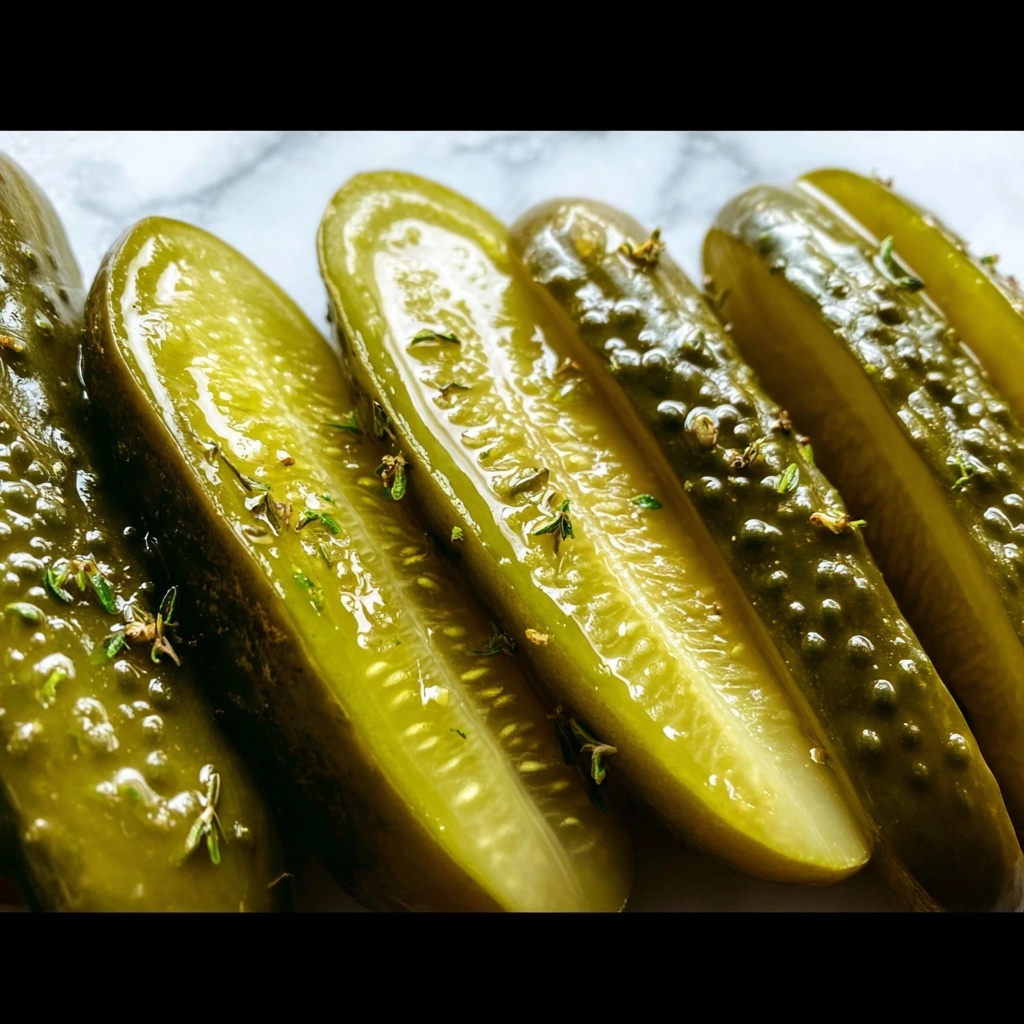
If you have a craving for something crisp, tangy, and packed with flavor, the Traditional Kosher Dill Pickles Recipe is an absolute must-try. This recipe channels the authentic, time-honored method of fermenting cucumbers with fresh dill, garlic, and just the right balance of spices, creating pickles that are bursting with that classic, mouthwatering crunch and zest. Whether you’re a seasoned pickle lover or someone eager to delve into homemade fermentation, this recipe brings a unique and rewarding experience that fills your kitchen with delightful aromas and your pantry with a jar of pure pickle magic.
Ingredients You’ll Need
Ingredients You’ll Need
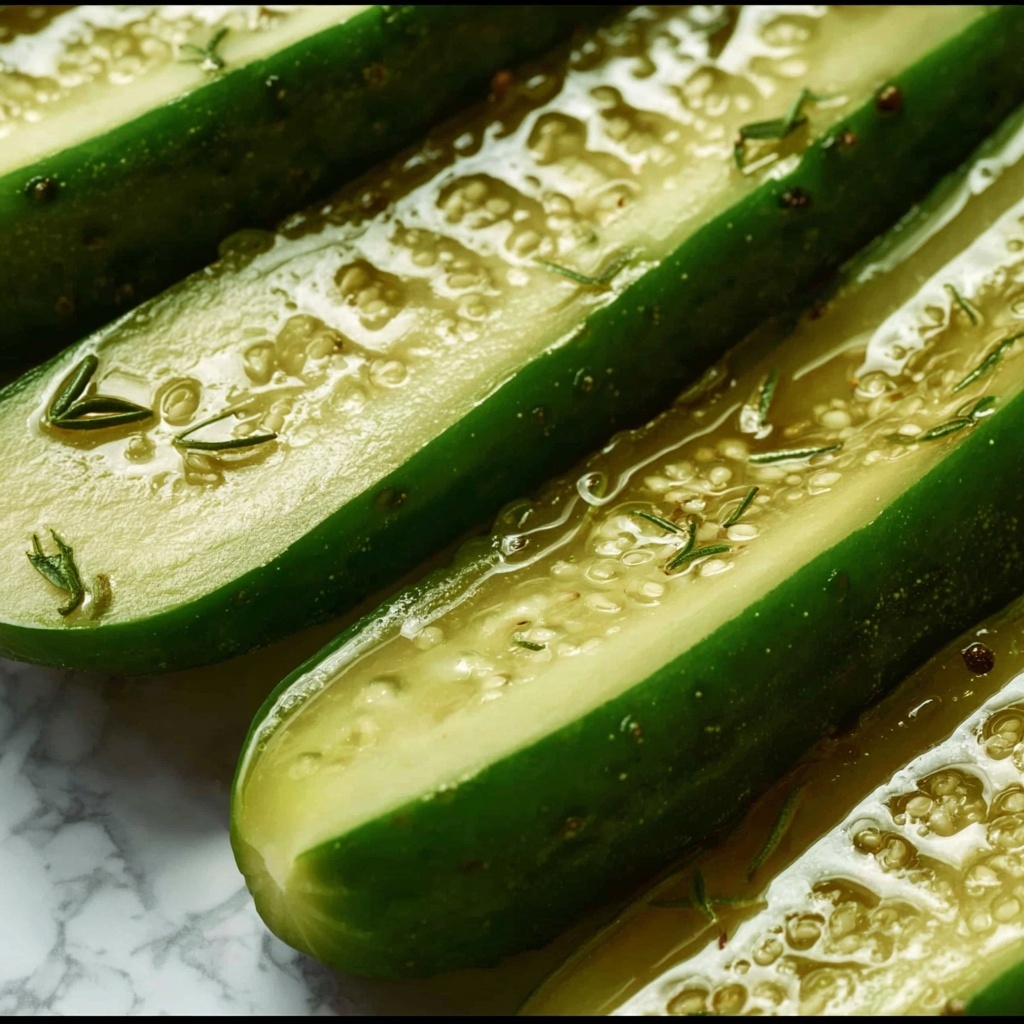
Gathering the right ingredients for the Traditional Kosher Dill Pickles Recipe is simpler than it sounds, yet each component plays a vital role in building flavor, crunch, and beautiful color. The combination of fresh cucumbers and dill, paired with garlic and spices, creates a harmonious blend that makes these pickles so special.
- Small cucumbers (Kirby or pickling cucumbers): These cucumbers are firm and perfect for pickling, providing the ideal texture.
- Garlic cloves, smashed: Adds a pungent, aromatic depth that complements the dill beautifully.
- Fresh dill heads or sprigs: The star herb that imparts the classic dill flavor signature to kosher pickles.
- Whole black peppercorns: Adds subtle spice and complexity without overpowering.
- Mustard seeds (optional): Offers a gentle nutty warmth when included.
- Red pepper flakes (optional): For those who like a little kick, these provide just the right amount of heat.
- Kosher salt (non-iodized): Essential for fermentation and seasoning without unwanted additives.
- Filtered or dechlorinated water: Keeps the fermentation pure and uninterrupted.
- Grape leaf or bay leaf (optional): This traditional addition helps maintain the coveted pickle crunch.
- Wide-mouth jar (1 quart or larger): The perfect vessel for fermenting your pickles with ample space.
How to Make Traditional Kosher Dill Pickles Recipe
Step 1: Prepare the Brine
Start by dissolving the kosher salt completely in filtered or dechlorinated water. This salty solution is the foundation that encourages the perfect fermentation environment, giving your pickles their classic tangy taste and preserving them just right.
Step 2: Prepare the Cucumbers
It’s important to wash your cucumbers thoroughly to remove any dirt or residues. Then, trim just the blossom end. This small cut prevents enzymes in the blossom from softening your pickles, ensuring they stay satisfyingly crisp.
Step 3: Pack the Jar
At the bottom of your jar, layer in the smashed garlic cloves, fresh dill, whole black peppercorns, and any optional spices like mustard seeds or red pepper flakes. These ingredients release fragrant oils during fermentation, infusing your pickles with deep, aromatic flavor.
Step 4: Add Cucumbers
Now it’s time to nestle your cucumbers into the jar as tightly as possible. You can stand them vertically or fit them in snugly — the goal is to maximize their contact with the flavorful brine.
Step 5: Add Brine
Pour the prepared brine over the cucumbers, submerging them completely. Keeping cucumbers below the surface of the brine is key, as it prevents spoilage and encourages healthy fermentation.
Step 6: Weigh Down
Using a fermentation weight or a small jar inside your wide-mouth jar, gently press the cucumbers underneath the brine. This simple step ensures they remain submerged throughout the fermentation, which is crucial for developing the right flavor and texture.
Step 7: Cover
Securely cover your jar with a loose lid or cloth fastened with a rubber band. This allows gases created during fermentation to escape, keeping your pickles in ideal condition without sealing in pressure that could cause problems.
Step 8: Ferment
Let the jar sit at room temperature between 65 and 75 degrees Fahrenheit (18–24°C) for four to seven days. After about three to four days, start tasting your pickles. When they reach your preferred level of tanginess and crunch, transfer the jar to the refrigerator to slow down the fermentation process and keep your pickles fresh.
How to Serve Traditional Kosher Dill Pickles Recipe
Garnishes
Traditional Kosher Dill Pickles make a fantastic snack on their own, but adding a sprinkle of freshly cracked black pepper or a few chopped fresh dill leaves on top can enhance the visual appeal and flavor. A few thin slices of red onion offer contrasting sweetness that complements the briny bite beautifully.
Side Dishes
These pickles are a perfect match for sandwiches, especially classic deli-style pastrami or corned beef. They also shine alongside rich, creamy dishes like potato salad or matzo ball soup, adding a refreshing and zesty counterpoint that balances any meal.
Creative Ways to Present
Think beyond the jar! Slice these pickles into spears or rounds for assembling gourmet burgers or charcuterie boards. You can even chop them finely to scatter over salads, tacos, or as a tangy relish topping on grilled meats — endless opportunities to enjoy your homemade creation.
Make Ahead and Storage
Storing Leftovers
Once your traditional kosher dill pickles have reached their ideal flavor, store them in the refrigerator with the lid tightly sealed. They will keep their delightful crunch and taste for several weeks, making them a convenient and delicious staple to have on hand.
Freezing
Freezing pickles is not recommended because it can damage their crisp texture and alter the flavor. Instead, focus on proper refrigeration and consuming them within a reasonable time to enjoy every bite at peak freshness.
Reheating
These pickles are best enjoyed cold or at room temperature. Reheating is unnecessary and might diminish their signature crunch and tang, so grab one straight from the jar whenever a pickle craving strikes.
FAQs
What makes a pickle “kosher” in this Traditional Kosher Dill Pickles Recipe?
“Kosher” in this context doesn’t refer to religious dietary laws alone, but to a style of pickle that features generous amounts of garlic and dill. It also means the pickles are traditionally fermented without vinegar, using natural brining techniques that create a unique flavor and texture.
Can I use regular table salt instead of kosher salt?
It’s best to use kosher salt because it doesn’t contain additives like iodine or anti-caking agents that can cloud your brine or affect fermentation. If you must use table salt, make sure it’s pure and adjust the amount accordingly, but kosher salt is preferred for the best result.
How long can I ferment these pickles?
Fermentation time varies based on room temperature and personal taste but generally ranges from four to seven days. You can taste them starting at day three to find the perfect balance of tang and crunch that suits your palate.
Why is it important to trim the blossom ends of cucumbers?
The blossom end contains enzymes that break down pectin, which can cause your pickles to become soft or mushy. Trimming this tiny section off helps preserve firmness, resulting in that sought-after satisfying crunch in every bite.
Can I add extra spices or vegetables to the Traditional Kosher Dill Pickles Recipe?
Absolutely! Feel free to experiment by adding spices like coriander seeds or adding veggies like sliced carrots and cauliflower florets for variety. Just keep the basic balance of salt, cucumbers, and dill intact to maintain authenticity.
Final Thoughts
There’s something truly special about making your own Traditional Kosher Dill Pickles Recipe at home. It’s not just about the delicious pickles you’ll enjoy but also the joy and satisfaction that comes from crafting something so timeless and tasty. Trust me, once you take that first crisp, tangy bite, you’ll be hooked. So grab your cucumbers and get ready to bring a bit of tradition and bright flavor into your kitchen!
Print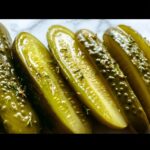
Traditional Kosher Dill Pickles Recipe
- Prep Time: 15 minutes
- Cook Time: 0 minutes
- Total Time: 4 to 7 days (fermentation time included)
- Yield: Approximately 1 quart of pickles (about 4 servings)
- Category: Pickles & Preserves
- Method: Fermentation
- Cuisine: Jewish, Eastern European
- Diet: Kosher
Description
This recipe guides you through making traditional kosher dill pickles using a simple fermentation process. Crisp cucumbers are combined with garlic, fresh dill, and spices, then submerged in a salty brine and left to ferment naturally, resulting in flavorful, tangy, and crunchy pickles that embody classic Jewish deli flavors.
Ingredients
Pickling Ingredients
- Small cucumbers (Kirby or pickling cucumbers, about 1 to 2 pounds)
- 4–5 garlic cloves, smashed
- 2 fresh dill heads or 4–6 dill sprigs
- 1 tablespoon whole black peppercorns
- 1 teaspoon mustard seeds (optional)
- 1/2 teaspoon red pepper flakes (optional, for a little heat)
- 1 tablespoon kosher salt (non-iodized)
- 4 cups filtered or dechlorinated water
- 1 grape leaf or bay leaf (optional, to help keep pickles crunchy)
- 1 wide-mouth quart jar (or larger depending on batch size)
Instructions
- Prepare the Brine: In a clean container, dissolve the kosher salt completely in the filtered or dechlorinated water by stirring thoroughly. Set this salty brine aside for later use.
- Prepare the Cucumbers: Wash the cucumbers thoroughly under cold water. Trim only the blossom end of each cucumber to prevent the development of soft textures during fermentation, leaving the stem end intact.
- Pack the Jar: Place the smashed garlic cloves, fresh dill heads or sprigs, whole black peppercorns, mustard seeds, and red pepper flakes (if using) at the bottom of the wide-mouth jar to season the pickles effectively.
- Add Cucumbers: Pack the cucumbers tightly into the jar vertically or in any way that maximizes the space, ensuring a snug fit to avoid excess air pockets.
- Add Brine: Pour the prepared salt brine over the cucumbers, making sure they are completely submerged in the liquid to prevent mold and enable proper fermentation.
- Weigh Down: Use a fermentation weight, a small jar, or a clean, heavy object to keep the cucumbers fully submerged under the brine during the fermentation process, which is essential for safety and quality.
- Cover: Loosely cover the jar with its lid, or alternatively use a cloth secured with a rubber band to allow carbon dioxide gases to escape while keeping contaminants out.
- Ferment: Leave the jar at room temperature, ideally between 65°F to 75°F (18°C to 24°C), for 4 to 7 days. Start tasting the pickles after 3 to 4 days to monitor their tanginess. Once they reach your preferred flavor, transfer the jar to the refrigerator to slow fermentation and preserve them.
Notes
- Use non-iodized kosher salt as iodized salt can inhibit fermentation.
- Filtered or dechlorinated water is important to avoid chlorine which can kill the beneficial bacteria needed for fermentation.
- Keep cucumbers fully submerged under the brine to prevent mold growth.
- Fermentation time varies depending on room temperature and personal taste preferences; cooler environments may require longer fermenting times.
- Adding grape or bay leaves is an optional traditional method to help keep pickles crisp.